

In a definitive move against the “digital-only” trend, Malaysian luggage innovator Case Valker has announced a strategic expansion into physical retail across the Klang Valley. This shift from an e-commerce-first model to a sophisticated omnichannel strategy signals a broader realization in the consumer goods sector: for high-stakes travel gear, the “Tactile Tax”—the consumer’s need to physicalize a purchase—remains a dominant force.
The brand, which built its reputation on introducing Polypropylene (PP) durability to the local market, is betting that while discovery happens on a smartphone, the final conversion for premium luggage happens on the showroom floor. Customers are increasingly demanding to test “wheel smoothness” and “material flex” before committing to international travel kits.
Designing for the “Tokyo Hotel” Constraint
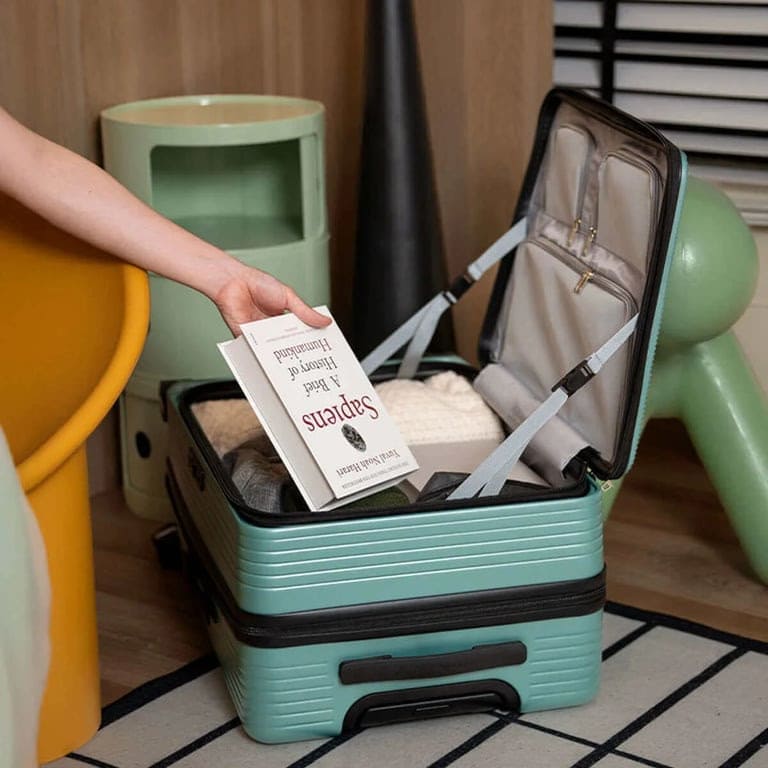
The centerpiece of this expansion is the new EVE2 collection, featuring the proprietary FrontFlip™ system. Unlike traditional hardshell cases that require significant floor space to butterfly open, the EVE2 allows for vertical access.
- Editor’s Take: This is a textbook example of Contextual Design. Case Valker isn’t just selling a box with wheels; they are solving for the “compact urban environment.” By designing for tight spaces—think boutique hotels in Tokyo or crowded transit hubs—they are aligning with the actual habits of modern Malaysian travelers. This pivot to physical stores allows the brand to demonstrate these mechanical advantages (like the FrontFlip™) in a way that a 2D Instagram ad simply cannot. For the Malaysian Business reader, this is a signal that Experience-Driven Retail is the only way to defend margins against generic e-commerce competitors.
Strategic Omnichannel Footprint:
- High-Traffic Placement: Strategic locations within the Klang Valley to capture rebounding international travel demand.
- Hybrid Journeys: Leveraging stores as “experience hubs” where customers can compare sizes physically before ordering online (or vice versa).
- Innovation Showcase: Using physical space to educate consumers on technical features like multi-directional spinner wheels and expandable storage.