
Article by Professor Dr. Baharudin Abdullah
Senior Consultant, Department of Otorhinolaryngology - Head and Neck Surgery
Universiti Sains Malaysia (USM)
In Malaysia, as in many other countries worldwide, there is a growing concern over a silent, yet widespread epidemic caused by the excessive and often inappropriate use of antibiotics. This issue is particularly evident in the treatment of sore throats, which are usually the result of viral infections and do not require antibiotics. The widespread overprescription of these medications has serious and extensive consequences, leading to a troubling increase in antibiotic-resistant superbugs that pose a significant threat to public health.
The misuse of antibiotics can lead to a rise in mortality rates and exerts a significant burden on the healthcare infrastructure and economy, draining resources and complicating treatment efforts across the board. It is more critical than ever to enhance public awareness and promote responsible prescription practices to protect public health and ensure the continued effectiveness of existing antibiotics.
The World Health Organization's Global Antimicrobial Resistance and Use Surveillance System (GLASS) has categorized Malaysia as a high-alert nation due to the increasing threat of antimicrobial resistance (AMR). In comparison to other Asian countries, Malaysia is among the leading nations in terms of antibiotic overuse, akin to Thailand and China, where obtaining antibiotics without a prescription remains a prevalent issue.
The Ministry of Health Malaysia has consistently raised alarms about the escalating issue of AMR, yet the trend of overprescribing antibiotics remains prevalent due to several key factors:
In Malaysian hospitals, the challenge of AMR is becoming increasingly apparent, with a surge in drug-resistant strains like Methicillin-resistant Staphylococcus aureus (MRSA) and Carbapenem-resistant Enterobacteriaceae (CRE) (Ministry of Health, 2017)). This predicament results in extended hospital stays, increased healthcare expenses, and a greater chance of treatment failures. Treating a resistant infection can be up to three times more expensive than a non-resistant one, placing a substantial financial burden on both patients and the healthcare system.
In addition to its effects on healthcare, AMR has major economic and environmental consequences. According to World Bank estimates, by 2050, AMR may cause the world economy to contract by as much as 3.8%, which might result in the poverty of 28 million people. The need for more costly second-line therapies and extended hospital stays will drive up prices for the already overburdened healthcare system. Furthermore, the environmental impact is too great to overlook because overprescribed antibiotics frequently end up in wastewater, contaminating soil and rivers and facilitating the spread of antibiotic resistance in bacterial populations outside of hospital settings.
While the statistics paint a grim picture, Malaysia is not without recourse. The country has already made significant strides in public health, from implementing national antibiotic stewardship programs to conducting public awareness campaigns. However, these efforts need to be scaled up and reinforced with a long-term, multi-sectoral approach. Strengthening enforcement of antibiotic sales, improving diagnostic capabilities in primary care settings, and fostering stronger collaboration between healthcare providers, policymakers, and the public are critical next steps. Malaysia has a strong track record of advancing healthcare, which puts it in a unique position to lead efforts domestically and throughout Southeast Asia in the regional fight against AMR. Since Malaysia has already made great progress in improving healthcare—from bolstering universal healthcare laws to spearheading programs for managing infectious diseases—it can support a regional AMR action plan that unites ASEAN countries in concerted efforts to stop antibiotic abuse. By advocating for stricter cross-border regulations on antibiotic sales, harmonising prescription guidelines, and championing large-scale public awareness campaigns, Malaysia can set the benchmark for responsible antibiotic stewardship in Southeast Asia.
At this critical juncture, Malaysia has the opportunity to become a regional powerhouse in the battle against AMR with strong leadership and swift action. Malaysia has the potential to set a regional model for sustainable antibiotic usage by driving regulatory reform, encouraging cross-sector collaboration, and embracing new innovations in technology. As part of this effort, we are preparing for the official public and media launch of the Malaysian Sore Throat Consensus - an initiative supported by Reckitt - to further drive awareness and encourage responsible prescribing practices. This consensus, grounded in the latest clinical evidence and multi-disciplinary expert recommendations, is a crucial step in guiding healthcare professionals towards better decision-making when it comes to antibiotic use. Despite the pressing need, with the right policies and measures in place, Malaysia can safeguard public health and steer ASEAN toward a future in which antibiotics remain effective for future generations.

Article by Professor Dr. Zamberi Sekawi
Professor and Senior Consultant Clinical Microbiologist
Universiti Putra Malaysia (UPM)
Antibiotics have fundamentally reshaped the landscape of modern medicine, emerging as indispensable allies in the battle against infectious diseases that were once deemed perilous or even fatal. These powerful medications have revolutionised healthcare by transforming previously life-threatening infections into treatable conditions, leading to a remarkable decrease in mortality rates and an enhanced quality of life for countless individuals. However, the reckless misuse and overprescription of antibiotics—particularly in cases of sore throat, where the majority are caused by viruses—have become pressing concerns, posing a severe threat to their long-term effectiveness. This alarming trend is driving the rise of antimicrobial resistance (AMR), an issue that jeopardises not only individual health but also public health on a global scale. If this crisis is allowed to escalate unchecked, we may find ourselves confronting a chilling post-antibiotic era, wherein even minor infections could evolve into serious health risks, and routine medical procedures could become fraught with peril.
In Malaysia, the challenge is compounded by a widespread lack of awareness and persistent misconceptions surrounding antibiotics. Despite ongoing educational campaigns and initiatives aimed at raising awareness, many people still hold beliefs that can lead to detrimental practices, such as self-medication or prematurely discontinuing prescribed treatments. This is particularly concerning in cases of sore throat, where unnecessary antibiotic use contributes significantly to resistance. Many sore throats are viral in nature and do not require antibiotics. In such cases, managing symptoms with pain relievers, hydration, and throat sprays containing anti-inflammatory agents can provide effective relief, as supported by recently published multidisciplinary sore throat consensus in Malaysia.
It is imperative to confront these misconceptions head-on, providing clear, accurate information to promote responsible antibiotic use among the public and healthcare providers alike. The urgency of this mission cannot be overstated, as each day that passes without meaningful intervention further jeopardizes the medical advancements that have been achieved using these lifesaving medications. It is crucial that we act decisively to foster a culture of understanding and responsibility surrounding antibiotic use, ensuring a healthier future for all. Here are five misconceptions that need to be addressed:
Myth 1: Antibiotics Can Cure Viral Infections
One of the most persistent misconceptions is that antibiotics can treat viral infections such as the flu, colds, or sore throat, the latter of which is commonly caused by viruses. This is false; antibiotics are only effective against bacterial infections, yet they continue to be misused for viral illnesses. Globally, studies show that at least 50% of antibiotics are inappropriately prescribed for viral infections, contributing to unnecessary resistance.
Myth 2: Stopping Antibiotics Early Is Safe If Symptoms Improve
Patients often stop taking antibiotics once they feel better, assuming the infection is gone. This premature discontinuation is a major driver of resistance. Bacteria that survive incomplete treatment can adapt, mutate, and become resistant, making future infections more difficult to treat. Completing the full prescribed course is essential to ensure all harmful bacteria are eliminated.
Myth 3: Antibiotic Resistance Affects People, Not Bacteria
A common misunderstanding is that the human body develops resistance to antibiotics. In reality, it is the bacteria that become resistant, rendering treatments ineffective. Rampant misuse of antibiotics in sore throat, cold, or flu—conditions that are mainly caused by viruses—leads to bacterial resistance, making previously treatable infections harder to manage. As resistance increases, infections that were once easily cured with antibiotics may require stronger, more expensive medications that may not always work.
Myth 4: Sharing or Using Leftover Antibiotics Is Harmless
Many Malaysians keep leftover antibiotics for future use or share them with family members, assuming it is a practical solution. This practice is extremely dangerous. Each infection requires a specific antibiotic, dosage, and duration of treatment. Taking the wrong medication—or the wrong dose—not only fails to treat the infection but also contributes to resistance.
Myth 5: Antibiotics Are Necessary for All Infections
Not every bacterial infection requires antibiotics. Mild bacterial infections often resolve on their own with proper rest and hydration. Overprescription of antibiotics for minor infections—especially in cases of sore throat that are mainly viral—only accelerates resistance, reduces treatment options, and increases the risk of superbugs. In such cases, symptomatic treatment, including throat sprays with low-dose anti-inflammatory medication, may be more appropriate, as recommended by Malaysian medical experts.
The challenge of antimicrobial resistance (AMR) presents an important opportunity for positive change. Each of us has the potential to contribute to a healthier future by making informed choices and using antibiotics responsibly. By encouraging those around us to adopt similar practices, we can help ensure the effectiveness of these vital medicines for future generations.
Malaysia has already made notable progress in raising awareness about AMR. With ongoing education, the implementation of stronger policies, and a united commitment to responsible antibiotic use, we can collectively work to slow down resistance and safeguard public health. Simple, responsible actions—such as completing a full course of antibiotics, avoiding self-medication, and educating others—can make a significant impact.
Rather than viewing the possibility of a post-antibiotic era with fear, we can focus on the potential for continued medical advancements, where antibiotics remain effective tools against infections and our healthcare system becomes even more resilient. It is essential to recognise that antibiotics are not always necessary, particularly for common conditions like sore throat, colds, and flu, which are primarily caused by viruses. In such cases, symptomatic treatment with throat sprays containing low-dose anti-inflammatory medication is a recommended alternative. Together, we have the power to redefine the narrative surrounding antibiotics—not as a resource we lost through misuse but as one we protect and enhance through knowledge, responsibility, and proactive efforts.

Writen by Ms Poonthalir Veeran,Technical Agriculture Director, ReXil Asia JSC
Agriculture remains the backbone of food security and economic sustainability in both Europe and Malaysia. Recently, the European Commission unveiled its policy framework, A Vision for Agriculture and Food: Shaping Together an Attractive Farming and Agri-Food Sector for Future Generations, which aims to modernise the sector, ensure food security, and make farming more attractive to younger generations. Similarly, Malaysia’s National Agrofood Policy 2021-2030 (NAP 2.0) is focused on transforming the agrifood sector into a high-tech, resilient, and sustainable industry.



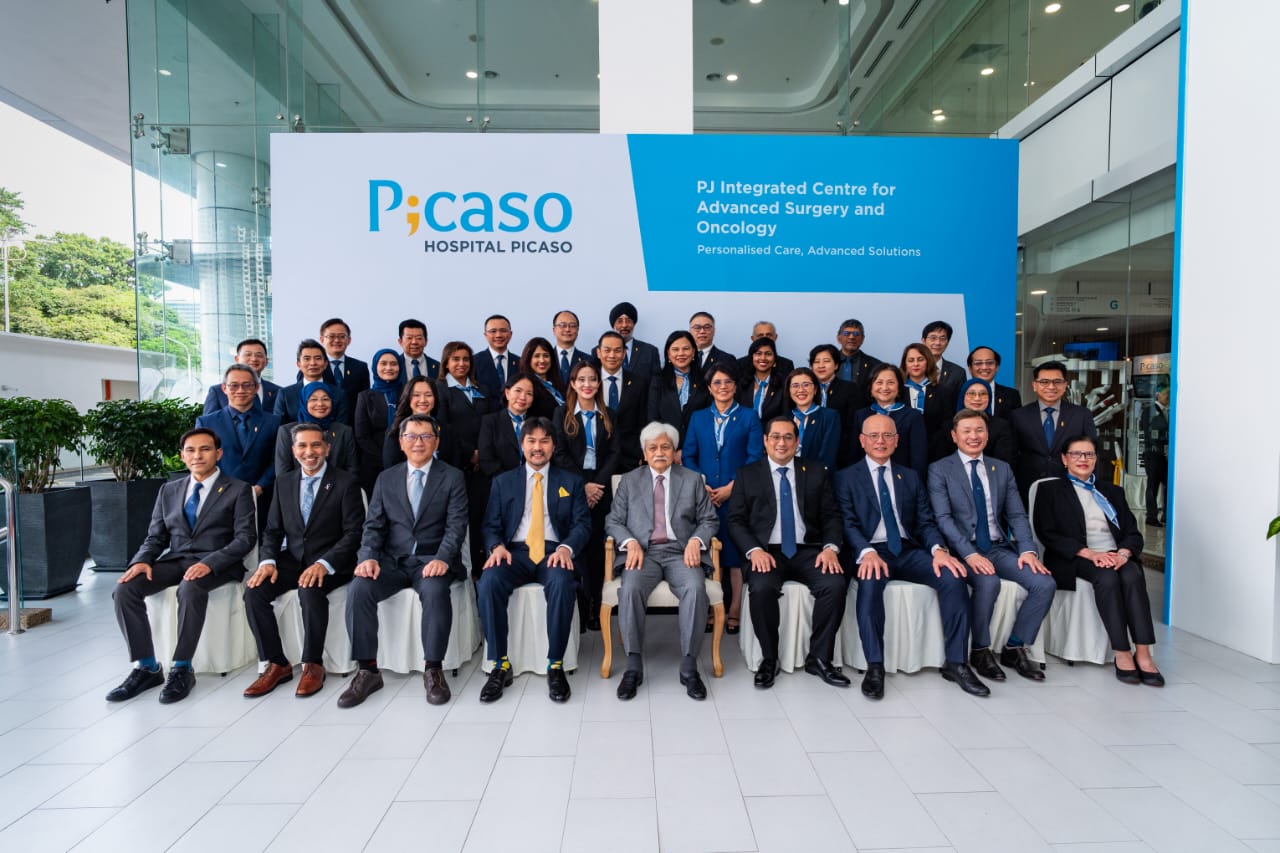
Grand Launch of Hospital Picaso Showcases Advanced Surgery, Oncology Excellence Royal-officiated event showcases cutting-edge technologies, multidisciplinary care, and national achievements in robotic and minimally invasive proce...

LOCUS-T gets MBR recognition for ‘Most Active SEO Service Contracts by an Agency LOCUS-T, one of Malaysia’s leading digital marketing agencies, has been officially recognised by the Malaysia Book of Records (MBR) for achieving t...

Takaful Malaysia Reports 8% Gross Profit Growth, Posts RM2.75 Billion Revenue For 9M FY2025; Declares Higher 18.5 Sen Interim Dividend Syarikat Takaful Malaysia Keluarga Berhad (“Takaful Malaysia” or “the Group”) today announc...