

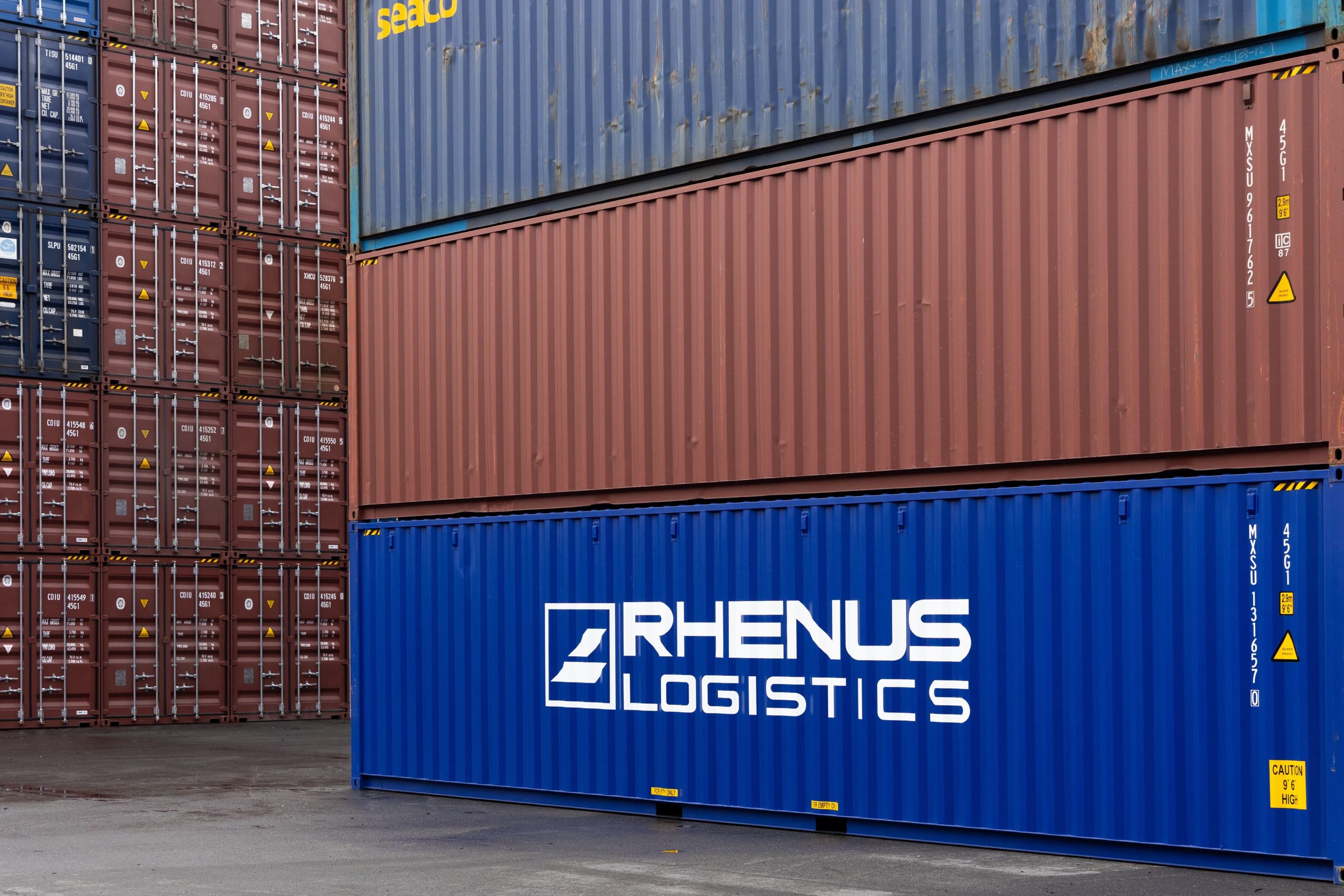
The Rhenus Group has finalized its acquisition of the remaining 49 percent stake in LBH Group, bringing the global port agency under 100 percent ownership. This strategic move, in motion since 2023, solidifies Rhenus’s position as a dominant force in international maritime and port logistics.
LBH Group, which operates in 24 countries, specializes in managing incoming and outgoing vessels for bulk goods, liquid cargo, containers, and general cargo.
Strengthening the “Maritimised” Supply Chain
The acquisition is more than just a change in shareholding; it is a move toward Global Maritime Growth. By integrating LBH’s specialized port expertise with Rhenus’s massive logistics network, the group aims to solve one of the biggest challenges in 2026: Supply Chain Resilience.
- Integrated Expertise: The union allows for more comprehensive and customized service offerings, bridging the gap between deep-sea shipping and inland logistics.
- Brand Continuity: LBH Group will continue to operate under its renowned brand name, preserving its established market reputation and service quality.
- Global Footprint: The acquisition supports the Rhenus Group’s strategic growth plan to expand its network and foster supply chains across worldwide trade routes.
The “Agentic” Shift in Logistics
This acquisition aligns with the Supply Chain 2026 trend of Agentic Orchestration. As global trade becomes more complex, having full control over port agency services allows Rhenus to move faster, reducing the “Complexity Tax” often found in fragmented maritime operations.
Editor’s Take: The Infrastructure of Global Trade
For the Malaysian Business reader, the Rhenus-LBH deal is a clear indicator of how global logistics players are “bulking up” to handle the RM426.7 billion in investment flows we are seeing across the region.
With CIMB tokenising the financial plumbing (Sukuk) and NanoMalaysia building the physical foundations (Graphene Concrete), Rhenus is securing the maritime gateways. As Malaysia expands its data centre hubs and industrial zones, the ability of global partners like Rhenus to provide seamless, end-to-end port-to-factory logistics will be a key factor in keeping the nation’s growth “Engineered to Outrun.”