

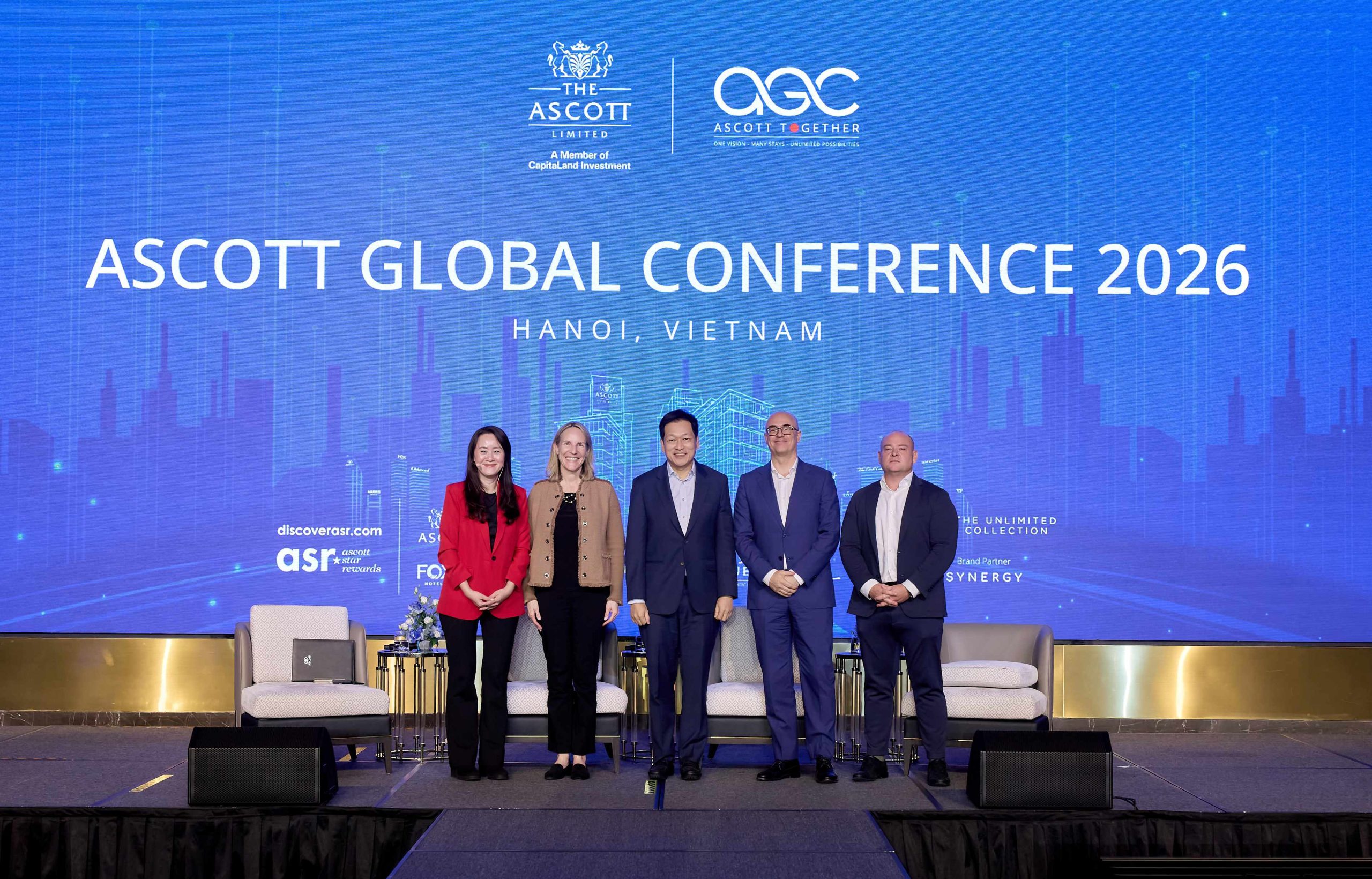
In a move that signals the end of the traditional booking era, The Ascott Limited (Ascott) has announced a massive pivot into AI-ready infrastructure to dominate the emerging landscape of “agentic commerce.” As intelligent AI agents increasingly replace human travelers in the planning and booking phases, Ascott is re-architecting its entire global portfolio, spanning 1,000+ properties, to be machine-readable and transaction-ready for non-human audiences.
The hospitality giant is collaborating with Accenture, Amadeus, and EHL Hospitality Business School to build an ecosystem where its digital concierge, Cubby, evolves from a chat companion into a fully autonomous personal travel agent.
FROM SEARCH TO ORCHESTRATION: The Tech Stack
Ascott is moving beyond “chatbot” interactions to a foundational architecture designed for seamless machine-mediated communication. The goal is a “standardised agentic layer” that allows AI models to verify inventory and complete bookings without human workarounds.
- Accenture (Architecture): Designing a next-generation core that links central reservations, CRM, and loyalty platforms using Model Context Protocol frameworks.
- Amadeus (Distribution): Implementing an API-first Central Reservations System (ACRS). This shifts the focus from fixed room types to “attribute-based shopping,” allowing AI agents to match guests to stays based on specific needs rather than just price points.
- Cubby’s Evolution: Having already handled 900,000+ guest enquiries, Cubby is being upgraded to anticipate needs and act on them planning itineraries and completing transactions before the guest even asks.
THE HUMAN ADVANTAGE: Scaling People Power
Ascott recognizes that AI handles the “logic,” but humans must handle the “magic.” Working with EHL, the company is training a “certified” internal workforce to ensure that as AI automates routine tasks, staff are freed up for high-value guest engagement.
| Transformation Pillar | Strategic Move | Expected Outcome |
| Agentic Commerce | AI-optimized property content for generative engines. | Higher discoverability in AI-led search results. |
| Attribute-Based Sales | Moving away from static room categories. | Precise inventory matching and higher booking values. |
| Talent Development | Global Brand Academy partnership with EHL. | An AI-ready workforce focused on “heartfelt hospitality”. |
Editor’s Take: The “Post-Google” Distribution War
For the Malaysian Business reader, Ascott’s move is a masterclass in future-proofing. We are witnessing the first major hospitality firm to admit that their primary customer is no longer a human with a smartphone, but an AI agent with a credit card. As Malaysia targets 4.7% GDP growth and continues to expand its RM789.85 billion trade engine, our local tourism and corporate lodging sectors must follow suit. If your property isn’t machine-readable, it effectively doesn’t exist in the 2026 travel ecosystem. Ascott isn’t just buying software; they are building a “Sovereign Intelligence” for their brand, ensuring that their Ascott Star Rewards members are recognized by algorithms long before they step into a lobby. In an era where 18% of emails fail to reach the inbox, the brands that can “talk” directly to the agentic layer will own the market.