

Strategic Takeaways
- The Sovereign Material Base: Bioalpha enforces strict quality control by running its own cultivation networks. The group manages 12.1 hectares in Pasir Raja, Terengganu, alongside 28.3 hectares in Desaru, Johor, ensuring that 100% of core crops like misai kucing are fully certified under Malaysian Good Agricultural Practices (MYGAP).
- The Integrated CDMO Footprint: Operating as a full contract development and manufacturing organization (CDMO), Bioalpha’s facility handles everything from initial recipe formulation to high-volume manufacturing. This comprehensive setup allows the company to double its raw export capacities to meet expanding international demand.
- The Global Regulatory Runway: By keeping all manufacturing lines fully compliant with international halal frameworks, the group streamlines its entry into highly regulated overseas markets, recently securing direct raw material and finished product supply contracts with major consumer brands in South Korea.
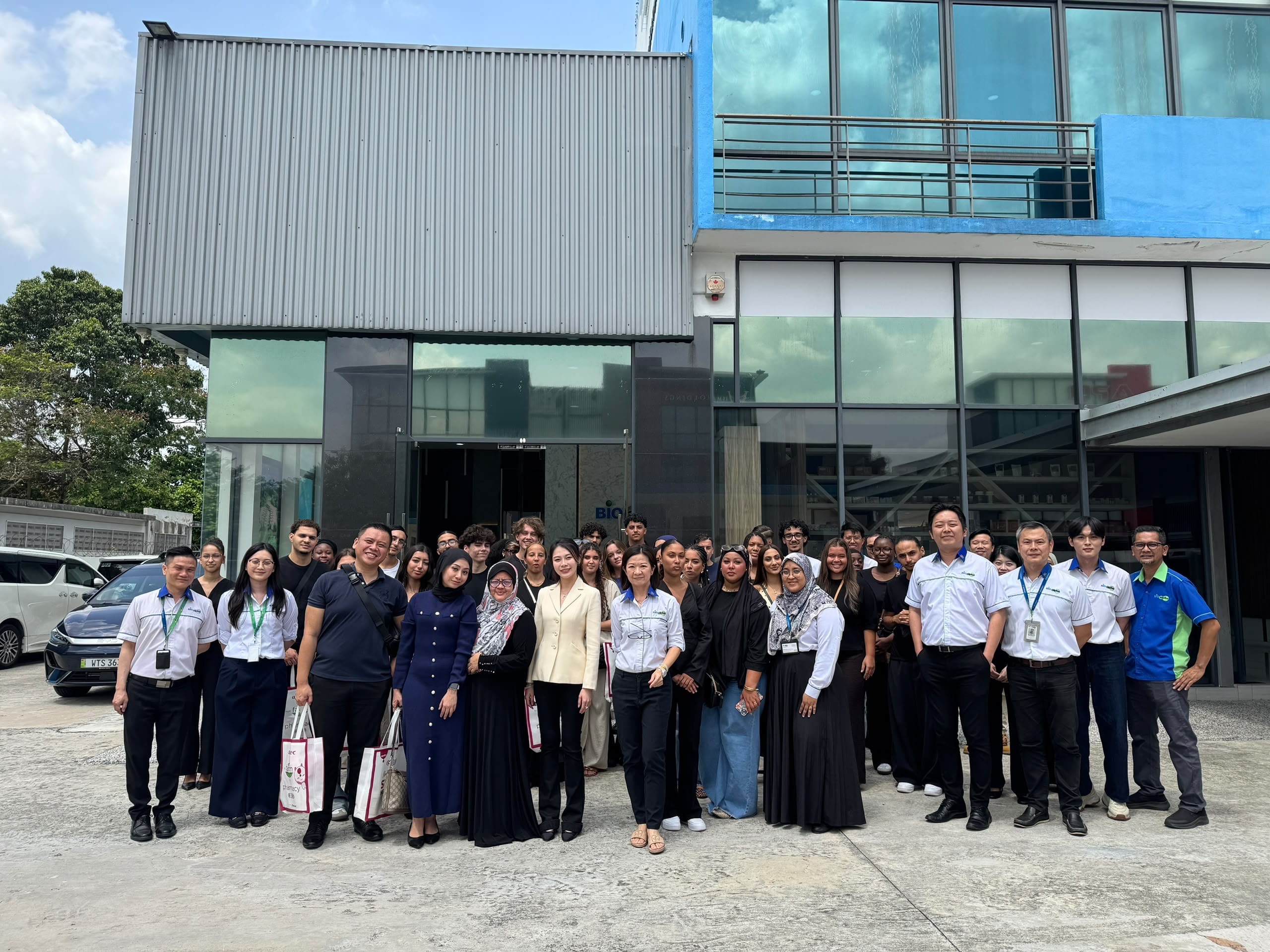
Showing the growing global market for verified health products, integrated nutraceutical manufacturer Bioalpha Holdings Berhad (Bioalpha) hosted an international delegation of French students at its main manufacturing facility in Bandar Baru Bangi, Selangor.
The industrial tour, organized alongside Art Market Malaysia, moves past basic public relations.
Instead, the visit highlights how the group uses Productivity Realism to turn strict halal and Good Manufacturing Practice (GMP) standards into a major competitive advantage when exporting high-value wellness products to international markets.
The European visit comes as global demand for transparent, safe, and clean-label wellness products scales rapidly.
Led by Executive Director Ms. Joe Ang, the educational exchange demonstrated how the group combines traditional botanical science with automated, pharmaceutical-grade manufacturing.
By showing international buyers their end-to-end production pipeline—covering raw plant processing, precision extraction, and active compound testing—Bioalpha demonstrates that modern halal certification represents a comprehensive system for safety, high quality, and consumer trust.
Dissecting the Value Loop: Converting Traditional Herbs into High-Yield Corporate Assets
The structural process changes how traditional natural ingredients are developed, turning raw plants into valuable, standardized components for global consumer brands:
1. Standardized Biological Value Protection: Moving past old, unverified gathering methods, the group’s facilities use advanced quality checks to test active wellness compounds in regional plants like Tongkat Ali and Kacip Fatimah. This technical vetting creates a stable, traceable, and premium supply of ingredients, protecting corporate clients from the quality changes common in open-market sourcing.
2. Multi-Format Manufacturing Scalability: To support diverse international distribution networks, Bioalpha’s manufacturing floors feature automated production lines capable of switching quickly between multiple product formats. This flexible setup can run pilot batches for new startups or output high-volume commercial orders across powders, liquids, capsules, tablets, and functional tea blends.
Editor’s Take: Driving Premium Export Growth via Productivity Realism
From the analytical view of industrial economics and Productivity Realism, Bioalpha’s open focus on international talent and high manufacturing standards highlights a clear rule for modern biotechnology: long-term market expansion and premium contract margins belong entirely to operators that build absolute traceability straight into their production systems. For too long, traditional wellness companies have relied on basic packaging models, overlooking how changing consumer safety demands, weak supply chains, and unverified raw materials slow down export approvals and limit their access to premium international markets.
True biopharma leadership requires treating raw agricultural inputs as high-value technology assets.
By managing their own farming fields to guarantee crop purity and using automated, certified cleanrooms, industry leaders show how to scale natural health products globally without sacrificing quality or compliance.
This disciplined operational model serves as an excellent guide for regional business leaders as they upgrade manufacturing networks to capture emerging international trade opportunities.