

Strategic Takeaways
- The Pan-APAC Specialization Matrix: Beyond its dominant first-place domestic positions, SJMC secured Top 25 regional placements for Paediatrics and Orthopaedics. Endocrinology, Cardiac Surgery, Neurology, and Oncology landed within the Top 50, while Cardiology, Neurosurgery, and Pulmonology earned Top 75 distinctions across Asia-Pacific.
- The Governance Credentials: The hospital remains the first healthcare facility in the Asia-Pacific region to command four distinct certifications as a Centre of Excellence from the Australian Council on Healthcare Standards International (ACHSI), covering Oncology, Cardiology, Gastroenterology, and Paediatric Services.
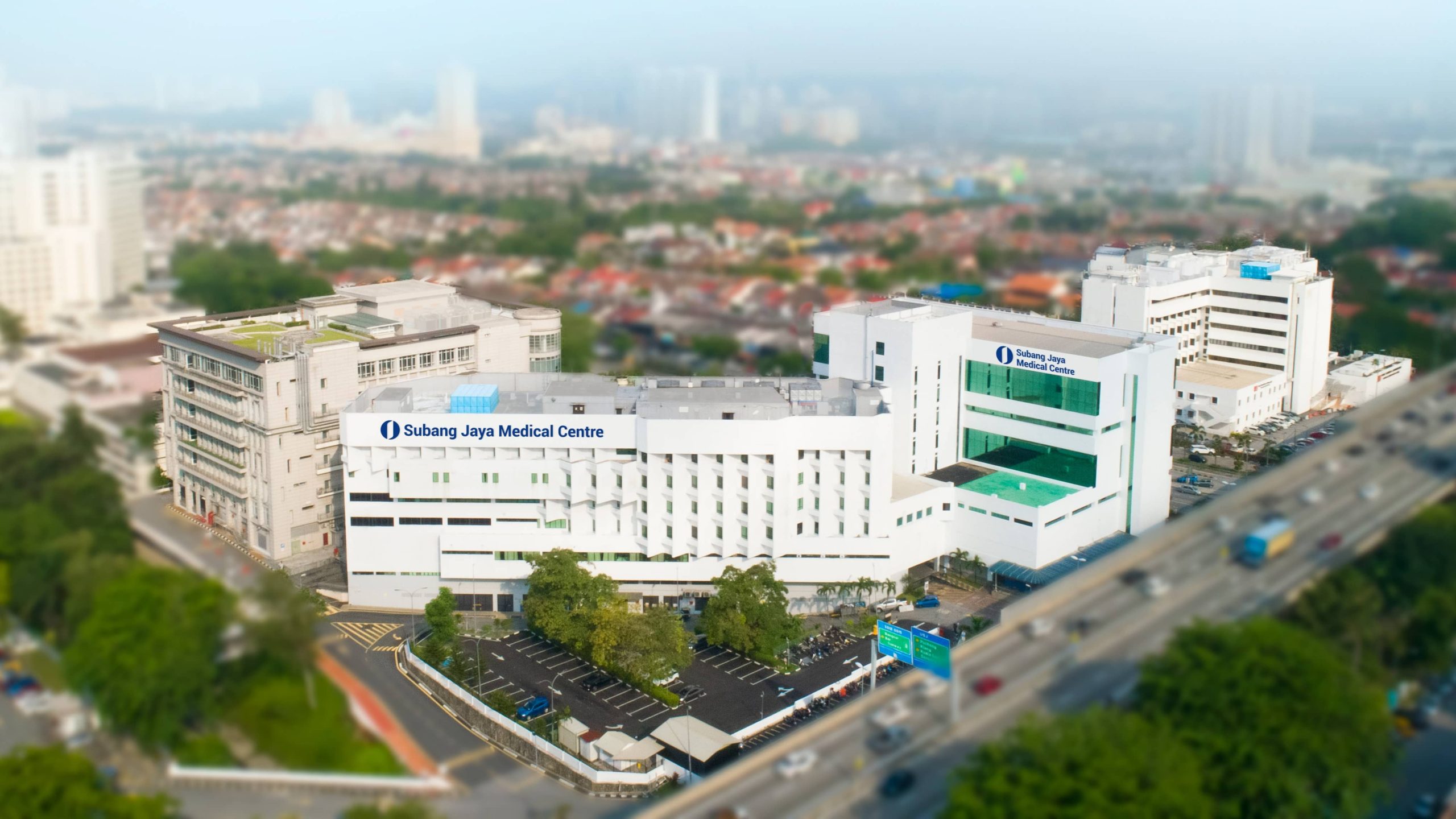
- The Clinical Pipeline Expansion: Led by Group CEO Bryan Lin, the 442-bed facility is utilizing its 41-year operating legacy to drive structural investments into neuroscience, bone marrow transplants, and sub-millimetric image-guided radiotherapy.
Securing its position at the apex of regional private medicine, Subang Jaya Medical Centre (SJMC) has captured the No. 1 ranking in ASEAN for Gastroenterology and clinched top spots across five major specialties in the Newsweek Best Specialized Hospitals Asia Pacific 2026 index.
The announcement confirms SJMC’s status as Malaysia’s most-listed hospital for the third consecutive year.
This international milestone underscores a foundational law of sustained healthcare leadership requires transitioning from basic tertiary hospital care to hyper-specialized, quaternary infrastructure (complex case management and transplants).
Compiled alongside global analytics pioneer Statista, the 2026 evaluation measured 925 leading academic and medical institutions across the Asia-Pacific territory using a rigorous blend of international expert surveys, strict quality metrics, and Patient-Reported Outcome Measures (PROMs). By expanding its footprint into 12 distinct paediatric subspecialties and advanced liver transplant care, the Asia OneHealthcare flagship has elevated local clinical delivery to compete directly with global benchmarks.
Dissecting Quaternary Specialization: How Integrated Infrastructure Retains High-Acuity Patient Portfolios
The hospital’s strategy focuses on removing structural friction from complex medical journeys, establishing a reliable ecosystem that attracts both domestic and international high-acuity (critically ill) patients:
- 1. Embedding Cross-Disciplinary Medical Pipelines: Complex cases like liver transplants or advanced oncology interventions require seamless communication between separate departments. SJMC eliminates typical clinical silos by uniting gastroenterologists, transplant surgeons, and critical care teams into a single, synchronized workflow that drastically improves recovery outcomes.
- 2. Driving Value via Patient Outcome Metrics (PROMs): Newsweek’s updated 2026 scoring model places an increased emphasis on verified patient-reported metrics. By standardizing real-time post-operative tracking, the facility turns qualitative patient experiences into hard, actionable clinical data.
Editor’s Take: Upgrading the National Healthcare Asset Ledger via Productivity Realism
From the clear analytical viewpoint of healthcare economics, SJMC’s multi-year dominance in international medical rankings reveals a fundamental macroeconomic truth: long-term regional healthcare resilience belongs exclusively to nations that systematically upgrade their local medical capacity from basic general treatments into highly advanced, specialized quaternary networks. For too long, developing regional economies have measured healthcare strength primarily by the raw volume of open hospital beds or basic diagnostic machinery, overlooking how long wait times for complex surgeries, fragmented subspecialty pipelines, and the lack of advanced transplant capabilities force high-acuity patients to look elsewhere for care.
True regional competitiveness demands shifting from a standard service provider model to an elite center for medical tourism.
By achieving top ASEAN rankings and maintaining strict international accreditations like ACHSI, leading healthcare institutions establish clear blueprints for retaining high-value medical portfolios and building trust with global partners.
This disciplined focus on cutting execution risk and investing in specialized talent serves as a masterclass for business and corporate strategists aiming to insulate regional supply lines, safeguard corporate human capital, and secure stable long-term revenue growth.