

Key Takeaways
- Pivotal Role in Global Trade Re-alignment: Amid supply chain fragmentations and geopolitical volatility, Malaysia is establishing itself as a neutral, trusted “connector economy” bridging Northeast Asia, Southeast Asia, Europe, and the Middle East.
- WTCA Global Alignment: Following the 56th WTCA Global Business Forum (GBF) in Philadelphia and the 24th WTCA Day, World Trade Centre Kuala Lumpur (WTCKL) is leveraging international networks and risk-assessment tools like the Geopolitical Annual Trade Risk Index (GATRI) to boost market stability.
- Regional Strategic Horizon: With ASEAN representing over 680 million consumers, Malaysia’s trade fundamentals position it as a key facilitator ahead of the 57th WTCA GBF in Binh Duong, Vietnam (April 2027).
Malaysia at the Center of ASEAN’s Strategic Transformation
As global supply chains shift from cost-centric models to resilience-driven networks, Southeast Asia has become a crucial node for multinational trade and investment diversification. Within this 680-million-consumer market, Malaysia is leveraging its geography, logistics infrastructure, and diplomatic neutrality to act as a primary trade connector.
The country’s positioning was highlighted during the 56th Annual World Trade Centers Association (WTCA) Global Business Forum (GBF). Held in Greater Philadelphia under the theme “Historic Foundations, Future Collaborations: Cultivating New Business Frontiers,” the forum emphasized how trusted regional hubs are necessary to mitigate ongoing trade fragmentation.
Core Pillars of Malaysia’s Trade Hub Strategy
| Strategic Pillar | Market Drivers & Operational Elements | Strategic Value Proposition |
| Geographic & Logistics Centrality | Crossroads of global shipping lanes; advanced port & air cargo networks. | Direct, high-capacity connectivity between Northeast Asia, ASEAN, Europe, and the Middle East. |
| Risk-Informed Decision Making | Deployment of tools like the Geopolitical Annual Trade Risk Index (GATRI). | Quantifiable analysis of geopolitical trade risks to protect cross-border investments. |
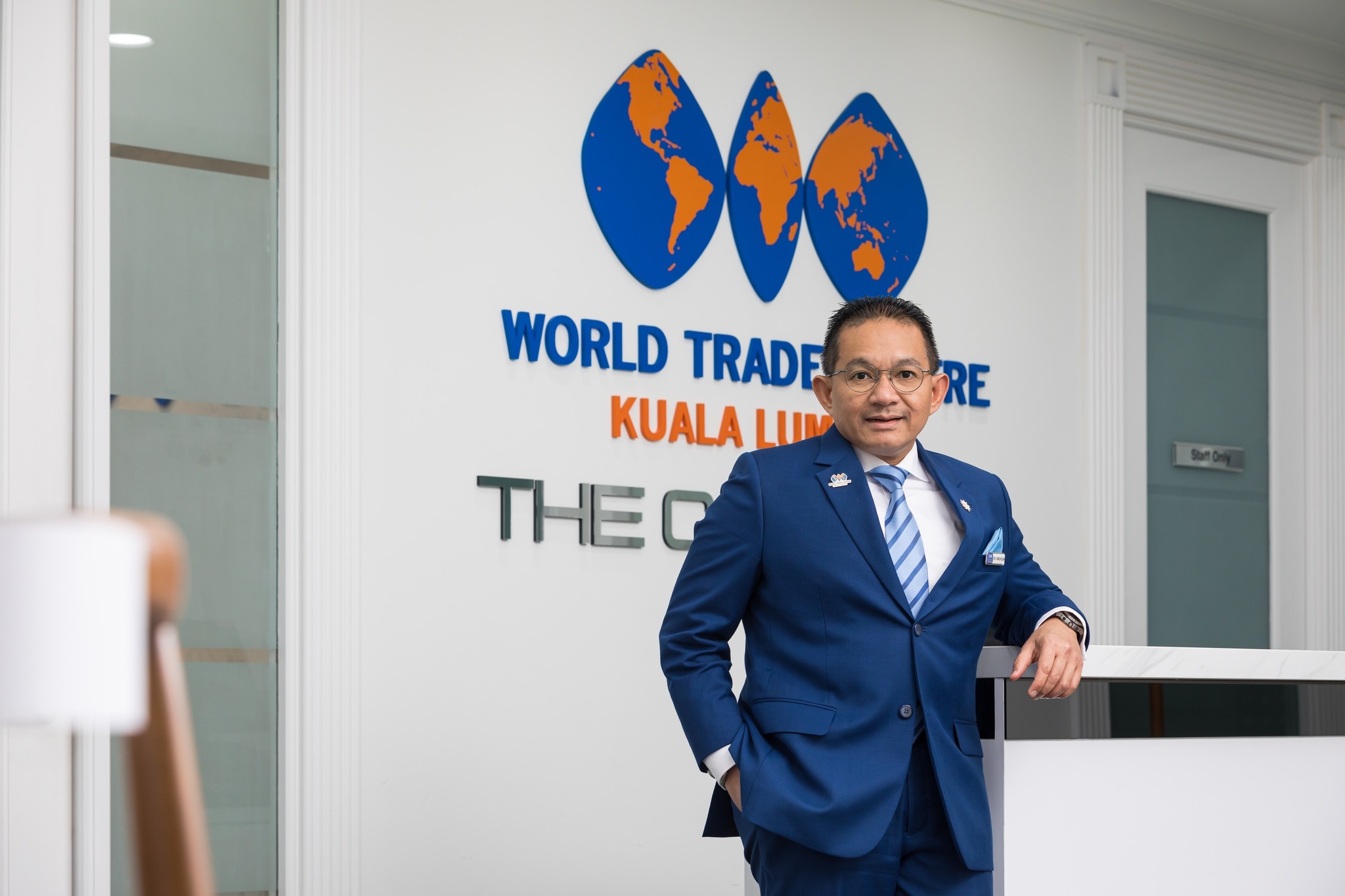
| Global Network Integration | Active participation via WTCKL led by Dato’ Sri Dr. Haji Irmohizam Ibrahim. | Direct gateway into multilateral trade networks, cross-border B2B matchmaking, and investment flows. |
Navigating Fragmentation Through Data and Trusted Networks
1. Hedging Geopolitical Uncertainty with GATRI
A key focus for international trade leaders is managing trade policy volatility. Developed by The Hague Centre for Strategic Studies (HCSS) in partnership with the WTCA, the Geopolitical Annual Trade Risk Index (GATRI) quantifies the impact of diplomatic, economic, and military developments on global commerce. By adopting such metrics, Malaysian business leaders and policy institutions can offer foreign investors data-backed stability in an uncertain global climate.
2. Strategic Continuity Toward WTCA GBF 2027
The momentum from Philadelphia sets the stage for regional trade integration in Southeast Asia. The 57th WTCA GBF, scheduled for April 4–7, 2027, in Binh Duong New City, Vietnam, will further consolidate the East Asia-ASEAN industrial corridor, placing Malaysia at the center of regional supply chain realignments.
Editor’s Take
The Strategic Why: Global trade is no longer just about tariff structures, it is defined by risk mitigation and supply chain trust. Malaysia’s strategy extends beyond serving as a manufacturing location; it is positioning itself as a neutral, well-connected trade orchestrator. By combining physical infrastructure with active multilateral engagement via WTCKL and analytical tools like GATRI, Malaysia offers global enterprises a reliable springboard into the broader ASEAN market.