

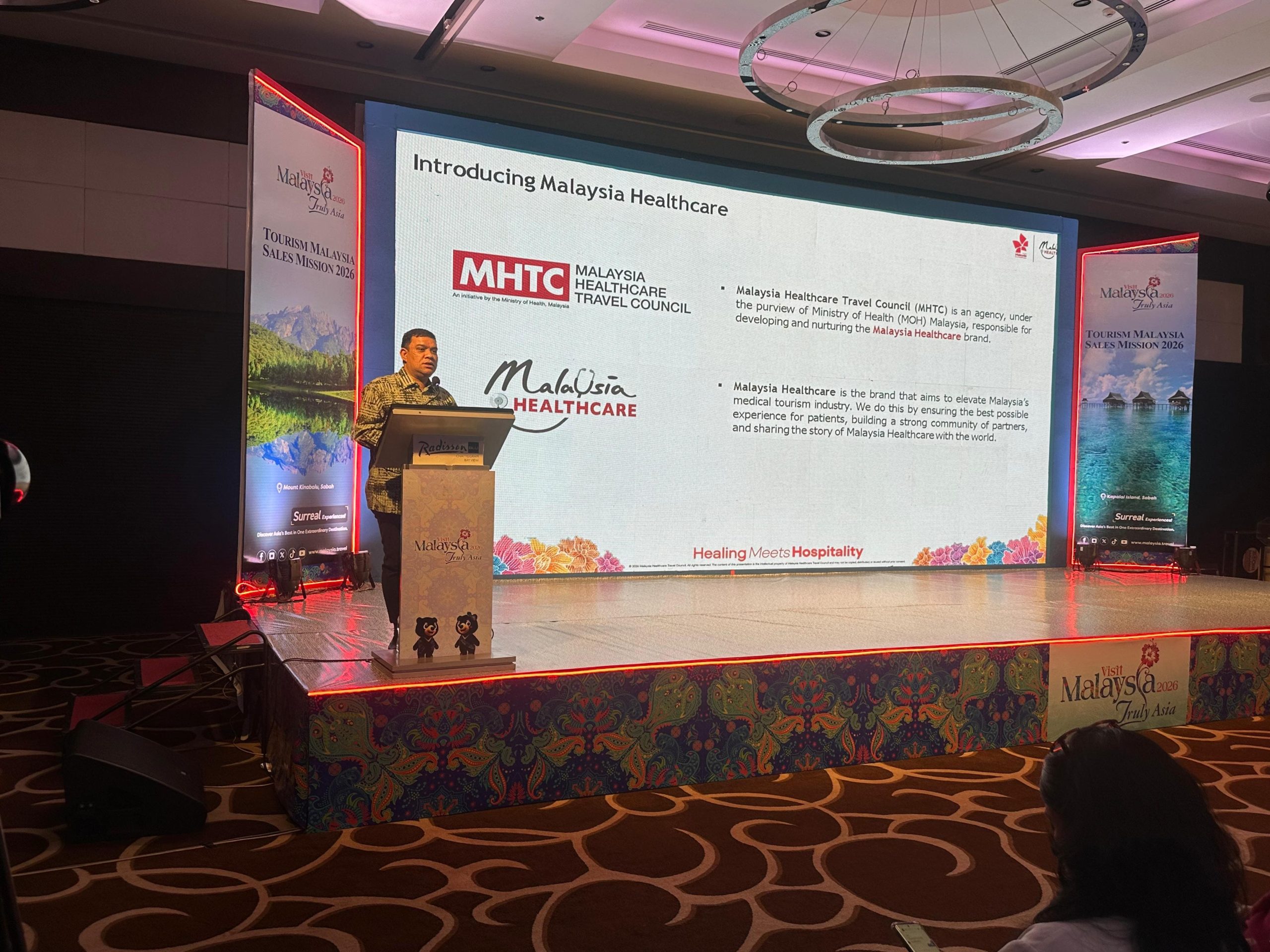
The launch of Malaysia Healthcare Week in Dhaka 2026 marks a significant moment for the regional medical travel market. As Bangladesh’s traditional healthcare routes face disruption, Malaysia is stepping in to fill the gap, presenting itself as a high-quality, reliable alternative for specialised care.
For the Malaysian Business reader, the story here is the rapid professionalisation of medical tourism. In 2025, revenue from Bangladeshi health travellers reached a record RM10.4 million, and with over 10,800 medical tourists already recorded in the first two months of 2026, the sector is on track for an unprecedented year.
The Strategic Leverage: Disrupting the India Corridor
For decades, India has been the primary choice for Bangladeshi patients. However, recent geopolitical shifts and visa hurdles have created a “patient exodus” toward Southeast Asia.
- The Opportunity: Malaysia is leveraging this by offering a “four-hour flight” convenience combined with internationally accredited standards that rival Western healthcare but at a fraction of the cost.
- The Flagship Power: Leading Malaysian providers like IHH Healthcare, Sunway Medical Centre, and the National Heart Institute (IJN) are leading the charge. IJN, in particular, is using its 2025 Medical Excellence accolades to attract cardiology patients who previously sought care in Chennai or Singapore.
The Market Moat: “Healing Meets Hospitality”
The Malaysia Healthcare Travel Council (MHTC) is not just selling surgery; it is selling an experience under its “Healing Meets Hospitality” banner.
- The Alpha Cycle: Malaysia’s competitive edge is its cultural alignment. With a large Muslim population and shared cultural values, Malaysia offers an environment where Bangladeshi patients feel more at home than in non-Islamic regional hubs.
- The Value-Unlock: By integrating tourism with treatment, Malaysia aims to attract 300,000 visitors from Bangladesh by the end of 2026 as part of its wider Visit Malaysia 2026 campaign.
SECTORAL DEEP-DIVE: The 2026 Medical Tourism “Hot Zones”
As the Malaysia Year of Medical Tourism (MYMT) 2026 gains speed, the investment and patient flow are concentrating in three key clusters:
1. The Klang Valley Specialist Hub
With the highest density of JCI-accredited hospitals, Selangor and Kuala Lumpur remain the primary destinations for oncology and cardiology. The proximity to KLIA makes it the default choice for the Dhaka-KL air bridge.
2. The Penang Health-Tech Cluster
Known as the “Silicon Valley of the East,” Penang is successfully combining its tech expertise with healthcare. It is becoming a major centre for medical technology and elective surgeries, supported by a growing ecosystem of digital health platforms.
3. The Johor-Singapore SEZ Synergy
The Johor-Singapore Special Economic Zone (JS-SEZ) is creating a unique “twin-hub” model. Patients can receive high-end specialised care in Singapore while completing their long-term recovery and rehabilitation in Johor, where land and costs are lower but the quality remains world-class.
Editor’s Take: The Revenue Multiplier
The real benefit of this medical surge is the multiplier effect. A medical tourist stays longer and spends nearly four times more than a regular tourist. For the Malaysian economy, the 2026 medical tourism market is projected to grow toward a $3.2 billion value by 2034. This is no longer a niche service; it is a core economic pillar that will drive demand for hospitality, transport, and high-end retail for years to come.