

Andy Zhou for Malaysian Business
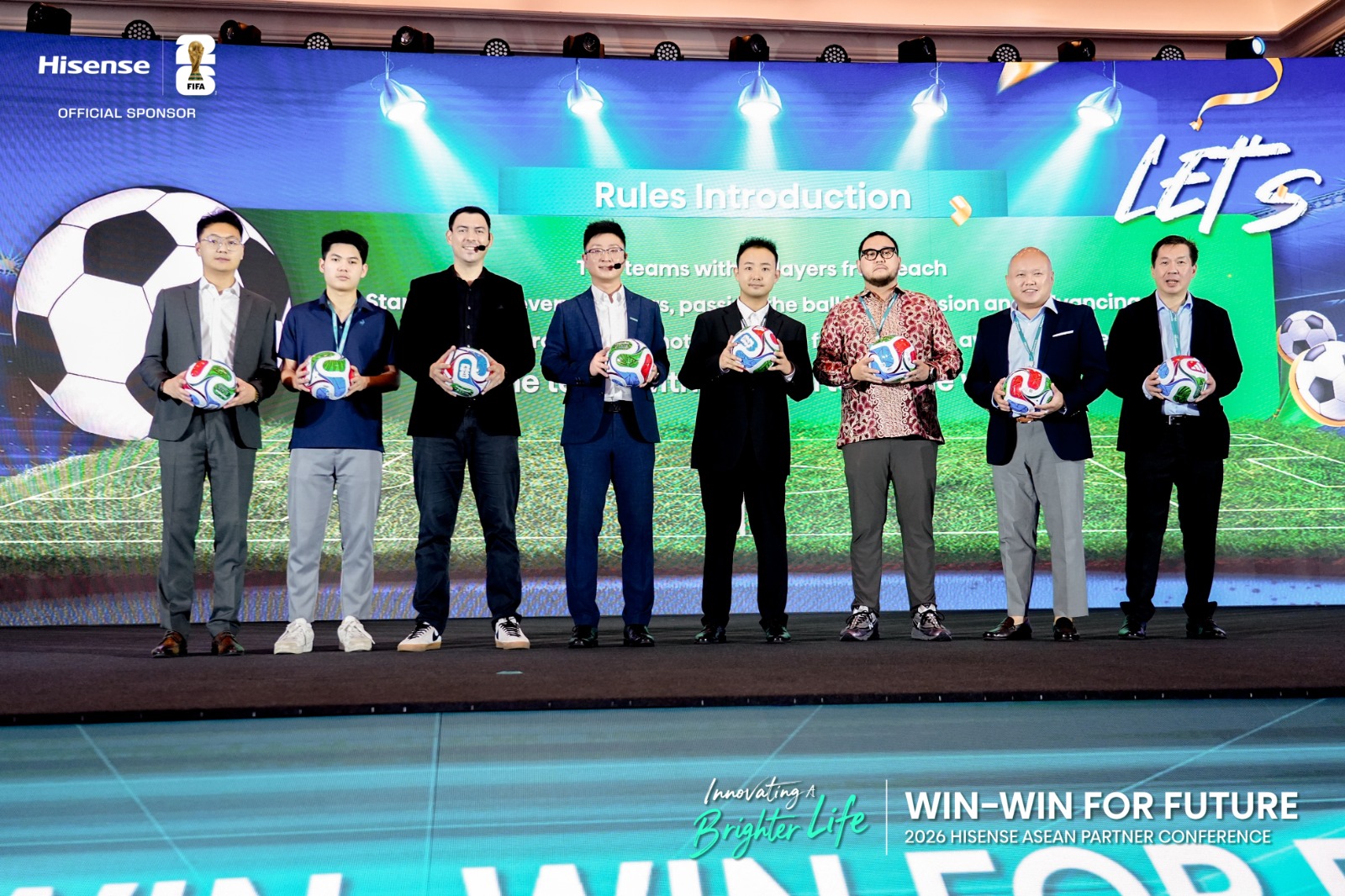
On 31 March, at the Hisense ASEAN Partner Conference in Kuala Lumpur, I met with Chang Huitian (Ms Clara), President of Hisense ASEAN, for the first time in six months. During a brief coffee break, our conversation bypassed the standard rhetoric of product launches and sales targets to address a more fundamental challenge: as the home appliance industry in ASEAN enters a phase of “deep-water” competition, what will sustain future growth?
Her answer was resolute: Service.
For those who do not follow the brand closely, the value generated by Hisense’s regional service overhaul might not be immediately obvious. However, having lived in Malaysia for over three years and engaged extensively with more than 30 distributors, I have witnessed the impact first hand. What these partners consistently highlight is not merely technical specifications, but a tangible shift in service quality with faster response times, efficient problem-solving, and a highly disciplined local execution team. These improvements have reshaped how distributors perceive the brand, fostering a deeper commitment to the Hisense ecosystem.
Beyond Malaysia, real-world observations across the region reinforce this trend:
- Bangkok: Hisense outdoor air-conditioning units are now a common fixture on the city’s streets.
- Kuala Lumpur: Shoppers are increasingly gravitated towards the “freshness” technology of Hisense refrigerators.
- Singapore & Philippines: The brand’s presence, from installation teams to retail points, is becoming ubiquitous.
Concrete Results through Localised Excellence
These observations are underpinned by robust financial performance. According to 2025 disclosures from Hisense Visual Technology and Hisense Home Appliances, revenue in the ASEAN region grew by over 20% year-on-year, cementing it as one of the fastest-growing overseas markets. Vietnam, Malaysia, and Thailand served as the primary engines of this growth.
Meanwhile, Hisense Home Appliances reported nearly 25% revenue growth in the region. In Indonesia and the Philippines, residential air conditioners achieved significant gains in the mid-range segment, driven by high energy efficiency. In Malaysia and Vietnam, Hisense refrigerators surpassed a 10% market share in the multi-door segment for the first time.
Behind these figures lies a “rapid service response system,” a framework specifically highlighted in the 2025 annual report as the foundation for further expansion.
Redefining the Value Chain
In Ms Clara’s framework, “service” transcends traditional after-sales support; it represents a comprehensive restructuring of capabilities across the entire value chain. Over the past three years, Hisense has achieved a compound annual growth rate (CAGR) of 18.7% in ASEAN, with brand business growing at 27.4% and e-commerce channels expanding by 46%.
Looking ahead to 2026, Hisense plans to broaden these capabilities, shifting service from a supporting function into a core driver of growth. Ms Clara emphasised that as products become increasingly homogeneous, a brand’s position is determined by the completeness of its service system rather than just manufacturing prowess.
The Two Pillars of Strategy
To achieve this, Hisense is focusing on two strategic areas:
- Channel Empowerment: Rebuilding channel capabilities to provide local distributors with superior operational support.
- User Experience: Elevating post-purchase care to secure long-term brand loyalty through localised, responsive interactions.
“Without strong service, there is no foundation for long-termism,”
Ms Clara, President Hisense ASEAN
In the current market, this is a practical reality. As premiumisation becomes the norm and product differentiation narrows, the real competitive gap emerges after the point of sale. Hisense’s growth in ASEAN is not merely about scaling up; it is about a structural upgrade—extending one-time transactions into lifelong relationships.