

- Geographic Concentration Risk: Letting a single geopolitical or regulatory region account for 70% of gross revenue leaves an enterprise hyper-vulnerable to sudden market wipeouts.
- The Category Trap: Relying on a single iconic innovation, the 1989 snow skin mooncake, for over three decades creates structural inertia, allowing faster-moving competitors to capture market share.
- Capital Without Strategy: Infusing emergency capital or attempting brand pivots without fixing core operational vulnerabilities merely extends financial burn rather than securing a true turnaround.
Admond Lee, The Runway Ventures
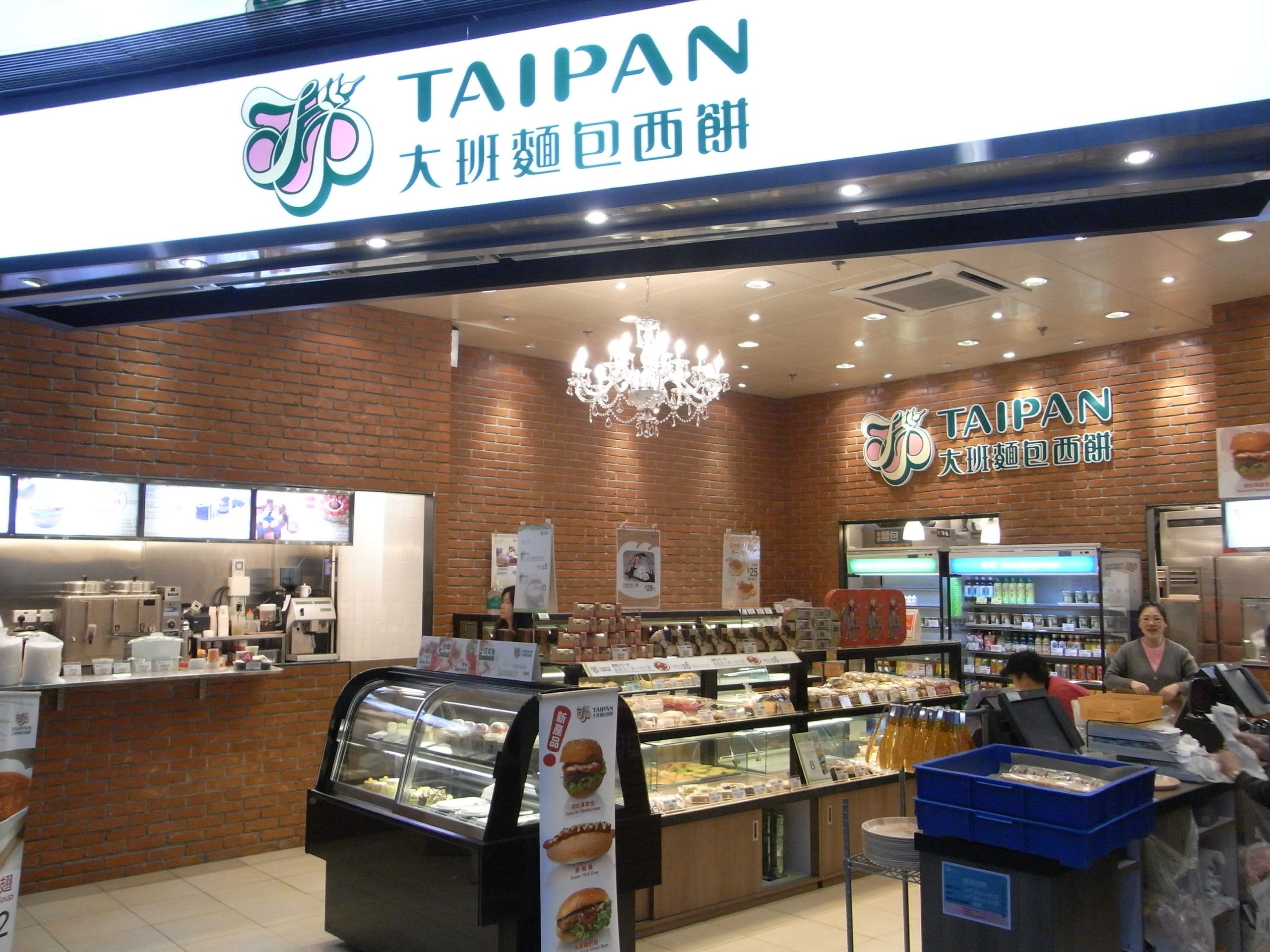
The sudden liquidation of Taipan Bread & Cakes, the Hong Kong institution that pioneered the world’s first snow skin mooncake, serves as a case study in corporate vulnerability. Founded in 1984 by Kwok Hung-kwan, Taipan grew from a local neighbourhood bakery into a powerhouse controlling 35% of Hong Kong’s mooncake market at its peak.
However, the rapid evaporation of 70% of its business following a single controversial social media post by an executive in 2019 demonstrated how fragile market dominance can be when revenue is heavily concentrated in a single cross-border channel.
Strategic Shift: Fragile Legacy vs. Resilient Enterprise
Analyzing Taipan’s operational model highlights the contrast between legacy single-product concentration and modern, diversified risk management:
| Operational Variable | Taipan’s Legacy Structure | Modern Diversified Enterprise |
| Market Exposure | ~70% revenue reliance on a single cross-border region | Multi-regional market mix (no single jurisdiction >30-40%) |
| Product Portfolio | Heavily dependent on a 1989 seasonal flagship product | Rolling R&D cycles with capped profit reliance on flagship SKUs |
| Crisis Mitigation | Public relations apologies and reactive ownership transfers | Structural market diversification and real-time risk auditing |
| Turnaround Strategy | Post-acquisition brand re-positioning without operational restructuring | Operational restructuring, lease rationalisation, and channel shifts |
An Analysis of Structural Vulnerabilities
1. Severe Revenue Concentration
For decades, cross-border demand from mainland China served as Taipan’s primary growth engine, accounting for nearly seven-tenths of its top-line revenue. When mainland e-commerce platforms and retail chains removed Taipan products from their shelves overnight in late August 2019, the company lost the vast majority of its consumer base right before the Mid-Autumn Festival—its most critical cash-generation period.
2. Product-Line Stagnation
Inventing the snow skin mooncake in 1989 revolutionized a traditional industry, but over-reliance on this single product line created long-term risk. While boutique operators and regional conglomerates continuously innovated with agile supply chains and trending flavor profiles, Taipan’s core brand remained heavily anchored to its flagship product, making it difficult to pivot when cross-border sales collapsed.
3. Ill-Fated Capital Injection
When new ownership acquired the chain via Vast Luck Company Limited in 2021, the turnaround plan relied heavily on reclaiming mainland retail space through brand repositioning. Because the core market dynamic had permanently shifted and competitors like Meixin (Maxim’s) had filled the market void, attempting to recover lost ground without diversifying into new regional markets merely delayed an inevitable restructuring.
Editor’s Take: The Strategic “Why”
The story of Taipan is not merely a tale of brand crisis management but an operational warning regarding concentration risk.
For corporate leaders and founders across Malaysia and the broader ASEAN region, market access can change rapidly due to regulatory shifts, geopolitical friction, or changing consumer sentiment. Relying on a single primary buyer, a dominant distribution platform, or one geographic territory creates a significant vulnerability.
Building structural resilience requires proactive effort:
- Regular Risk Audits: Businesses should audit their revenue streams quarterly to ensure no single geographic zone, platform, or B2B client accounts for more than 40% of total cash flow.
- Channel Diversification: Companies must establish secondary and tertiary demand bases—such as expanding into adjacent ASEAN markets or diaspora communities—long before their primary market faces headwinds.
- Product Evolution: Continuous product iteration is essential to ensure a legacy brand remains relevant and resilient over time.
Read the whole article at The Runway Ventures