

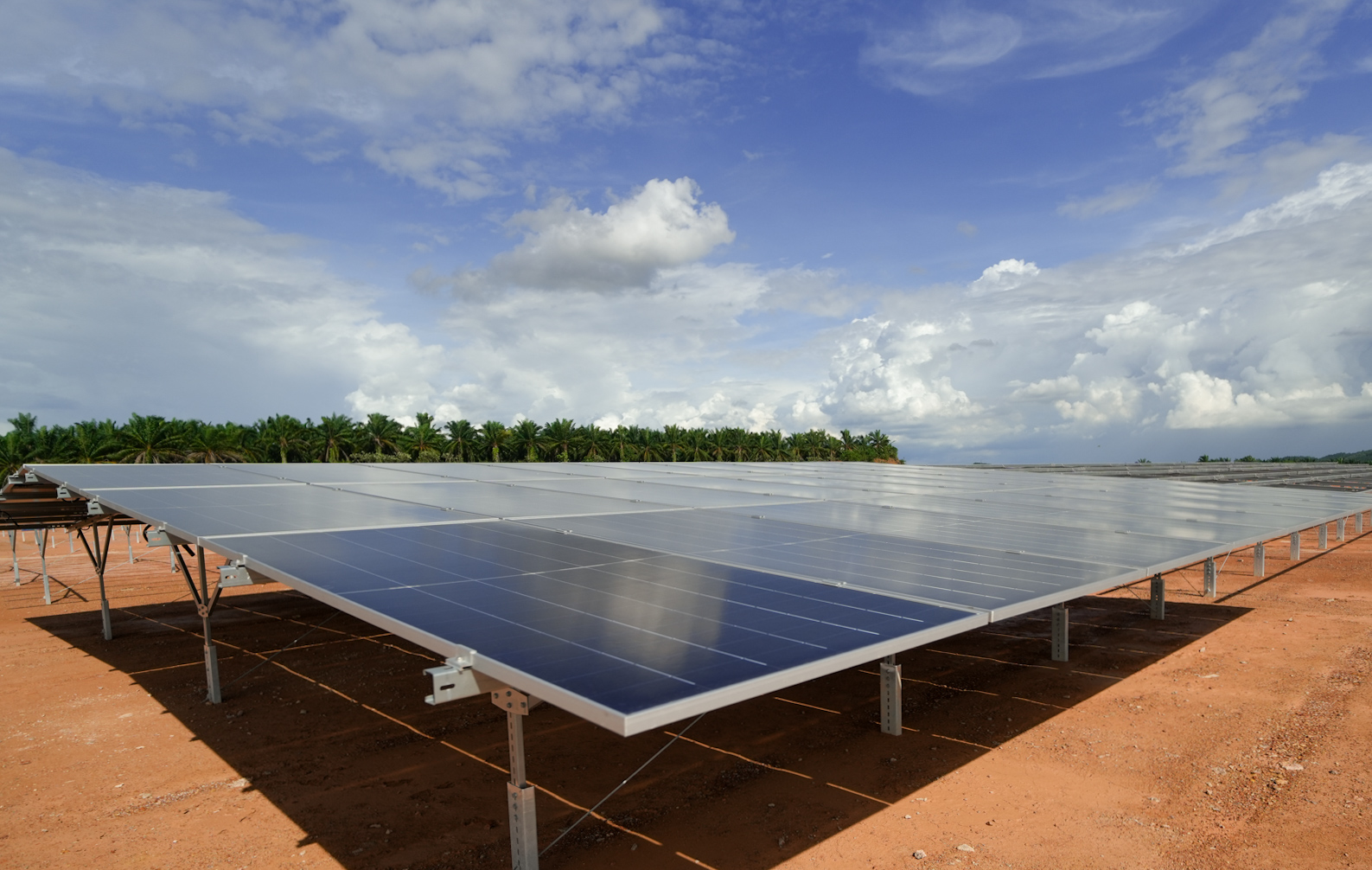
Shifting Malaysia’s renewable energy sector from regulatory design into active physical deployment, Gentari Sdn Bhd (the clean energy arm of PETRONAS) has commenced construction on its landmark 150MWp Large-Scale Solar 5 (LSS5) photovoltaic facility in Kuala Muda, Kedah.
Marked by an executive site safety visit led by senior corporate leaders, the transition, executed via Gentari LSS Lima Sdn Bhd (a wholly-owned subsidiary of Gentari Renewables Sdn Bhd), stands as a major milestone for the country’s utility-scale generation ecosystem.
The project follows Gentari’s successful bid under Malaysia’s milestone fifth large-scale solar tender.
As the largest single solar quota rolled out by the Energy Commission to date, the LSS5 platform provides an aggregate 2,000MWac national capacity allocation.
This buildout functions as a central operational pillar of the National Energy Transition Roadmap (NETR), which legally mandates Malaysia to scale its renewable energy generation capacity to 70% by the year 2050.
The Architecture of Scale: De-Risking the National Power Grid
From an asset engineering perspective, transitioning from planning into active field construction requires strict adherence to project timelines and cost controls.
Historically, regional solar developments often suffered from a hidden “Complexity Tax” where uncoordinated construction timelines, weak material procurement structures, and unexpected design changes delayed grid connection. This friction tied up corporate capital and compromised long-term project yields.
[FRAGILE SMALL-SCALE SOLAR] ──► Fragmented Low-Megawatt Feeds ──► High Intermittency Friction & Grid Instability
                                                                                  │
                                                                                  ▼
Systemic Transmission Tax

 [ GENTARI LSS5 UTILITY RIG ]  ──► 150MWp Monitored Core Array     ──► 21-Year Fixed-Yield PPA & NETR Stability
                                                                                  │
                                                                                  ▼
Sovereign Base Load Alpha
Gentari is bypassing these structural bottlenecks by treating site safety and technical discipline as core parts of its capital protection strategy. Under the executive oversight of Shah Yang Razalli, Gentari Group Chief Operating Officer and Country Head of Malaysia, the Kuala Muda development is being executed under a fixed 21-year Power Purchase Agreement (PPA) with the national utility grid.
- Carbon Abatement Metrics: Once fully operational, the 150MWp facility will serve as a powerful tool for industrial decarbonization, directly preventing an estimated 166,766 tonnes of carbon dioxide equivalent (CO_2) from entering the atmosphere annually.
- Mitigating Physical Asset Risk: By embedding high technical and environmental safety standards straight into the early construction phase, Gentari protects its physical asset base from regulatory delays and engineering failures. This disciplined execution model ensures the facility functions as a reliable, predictable energy asset from day one of grid synchronization.
Macroeconomic Integration: Fueling the 13th Malaysia Plan
Beyond its immediate clean energy output, the Kuala Muda solar facility serves as a vital economic driver for the Northern Corridor Economic Region (NCER). Traditional industrial regional planning often treats green energy as a secondary environmental goal rather than a core tool for economic development.
However, under the active mandates of the 13th Malaysia Plan (2026–2030) and the New Industrial Master Plan (NIMP 2030), access to reliable green utility lines has become a primary requirement to attract premium foreign direct investment (FDI).
                     [ GLOBAL MULTI-NATIONAL DIRECT INVESTMENT ]
                                         ▼
                 [ GREEN INFRASTRUCTURE WAIST ] (Gentari 150MWp Solar Array)
                                         ▲
         [ ADVANCED INDUSTRIAL CORES ]  (NCER Automated Chip Packaging, EV Lines)
Modern high-value manufacturing multi-nationals, especially those operating advanced semiconductor fabrication plants, automated automotive lines, and large data centers, face strict international ESG supply chain mandates. By building a robust, utility-scale renewable energy supply right inside the Northern Corridor, Gentari provides regional industrial parks with an immediate green energy advantage.
This access to stable, zero-emission electricity allows advanced manufacturers to establish local operations without risking carbon penalties in their home markets. This setup boosts regional economic resilience and creates highly skilled engineering and maintenance jobs within the local community.
Editor’s Take: Grid Modernization and the Reality of Capital Execution
For the Malaysian Business reader, Gentari’s transition into active LSS5 construction delivers an essential lesson in Productivity Realism: the corporate winners of the green transition are not those who assemble the largest portfolio of non-binding memoranda, but the operators who can successfully deploy heavy capital assets on-time, on-scope, and on-budget. For too long, the domestic energy conversation has accepted a heavy “Complexity Tax” focusing on abstract policy goals while lagging behind in the actual construction of the physical infrastructure required to support advanced industries.
True market leadership requires moving from concept to construction.
By scaling large-scale clean energy arrays, Gentari is not merely checking an environmental box; they are helping build the foundational infrastructure that will power Malaysia’s next generation of advanced manufacturing.
This infrastructure-led approach provides an exact strategic blueprint for our business community as we navigate the competitive global marketplace.
Whether tracking BlackBerry’s deployment of Industry 5.0 software-defined talent moats in Sarawak, evaluating Berjaya Air’s vertical integration of luxury transit corridors using the world’s first all-business ATR HighLine fleet, or monitoring Alpro Group’s subscription networks streamline care delivery, the core economic reality remains identical: eliminate operational friction.
By directly linking multi-million ringgit clean-energy investments with regional industrial strategies, Gentari is demonstrating how to protect corporate operating margins, secure national energy networks, and build a lasting, sustainable competitive advantage for Malaysia on the global stage.