

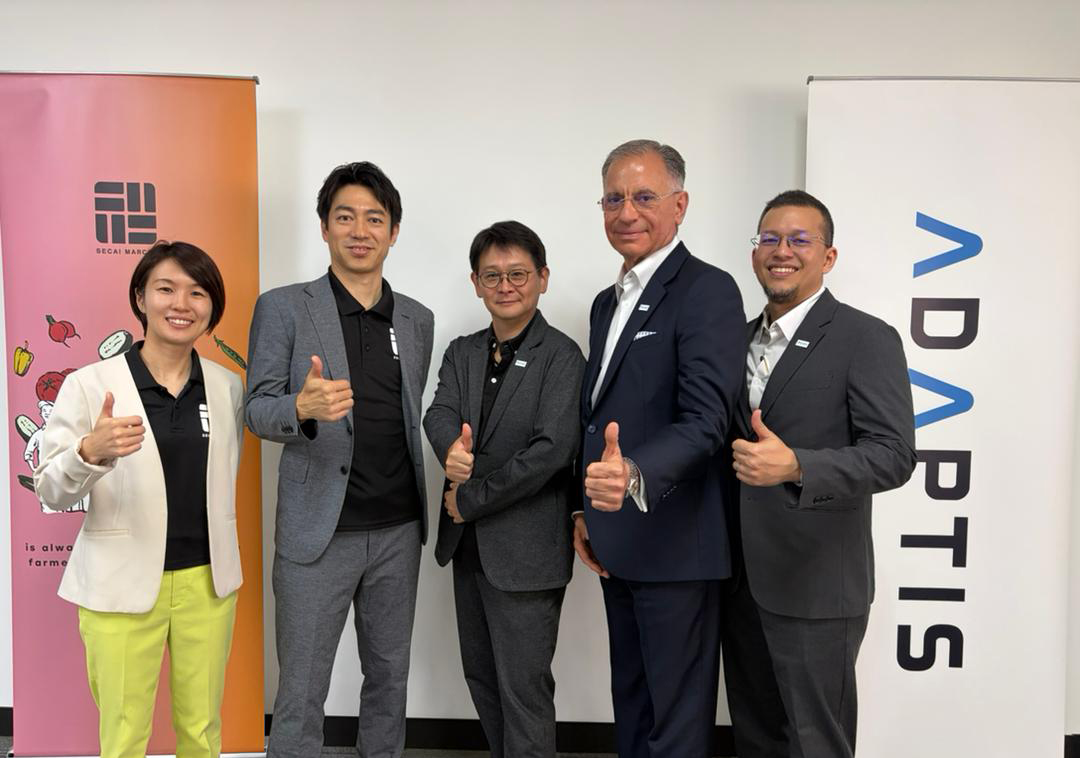
Introducing a decisive structural shift into the financial machinery of Malaysia’s hospitality and food services sectors, NTT DATA Payment Services and tech-driven fresh produce distributor SECAI MARCHE have announced a strategic platform integration.
Unveiled in Kuala Lumpur, the joint venture combines end-to-end digital procurement with automated corporate payment collections under NTT DATA’s global fintech brand, ADAPTIS®.
Scheduled for a formal commercial rollout in July 2026, the digital ecosystem is engineered to onboard approximately 400 agricultural producers and 2,400 Hotel, Restaurant, and Café (HORECA) operators across the country.
The launch addresses a persistent operational drag hidden beneath the vibrant post-pandemic recovery of Malaysia’s foodservice sector.
While frontend dining rooms and guest experiences have embraced digital touchpoints, backend supply lines have remained stuck in manual bottlenecks.
By unifying agricultural supply networks with enterprise-grade fintech, the partnership shifts the industry away from disconnected processes, offering a highly integrated model for managing cash flow velocity and B2B supply chains.
 [FRAGMENTED HORECA VENDORS] ──► Manual Paper Invoicing & Slow Ledgers ──► Capital Drag & Delayed Receivables
                                                                                        │
                                                                                        ▼
                                                                           Systemic Working Capital Friction

 [INTEGRATED ADAPTIS ENGINE] ──► SECAI MARCHE Agri-Tech + Automated BNPL ──► Real-Time Settlement & Scaled Yields
                                                                                        │
                                                                                        ▼
                                                                             High-Velocity Supply Moat
Dissecting the B2B Friction: The Cost of Fragmented Back-Offices
For corporate finance chiefs and hotel asset managers across Southeast Asia, fresh food procurement has long carried a hidden penalty.
The standard journey of food from farm to commercial kitchen involves a messy mix of manual ordering, cash-on-delivery risks, mismatched invoices, and slow bank reconciliations.
This administrative burden does more than increase back-office labor overheads; it creates a structural drag on cash flow visibility, leaving both small agricultural producers and large culinary buyers operating with unpredictable working capital gaps.
The NTT DATA and SECAI MARCHE alliance systematically de-risks this procurement loop by executing a synchronized, two-pronged digital solution:
1. Automated Supply Aggregation (SECAI MARCHE)
Led by CEO & Co-Founder Shusaku Hayakawa, SECAI MARCHE replaces traditional middleman distribution layers with a centralized, tech-driven fresh produce platform. This infrastructure allows HORECA buyers to bypass multiple wholesale hands, connecting kitchens directly to verified producers to optimize freshness, control margins, and secure predictable supply lines.
2. Financial Process Automation (ADAPTIS®)
To ensure physical supply speed is matched by financial velocity, NTT DATA integrates its enterprise billing and collections system. The ADAPTIS® infrastructure digitizes the entire invoicing, tracking, and reconciliation cycle. Instead of accounting teams spending hours manually matching delivery notes to monthly bank statements, the platform automates payment collections across various channels, transforming a slow accounts-receivable process into a clean, predictable data stream.
Financial Engineering: Unlocking Alternative Supply Chain Credit
From a corporate strategy perspective, the long-term impact of this integration lies in the valuable data footprint it creates.
In the traditional HORECA ecosystem, securing credit lines from tier-one commercial banks is notoriously difficult. Because restaurants and small farms rely heavily on manual, unverified cash ledgers, traditional credit-scoring systems view them as high-risk borrowers. This lack of clear data effectively cuts them off from formal working capital facilities.
                            [ AGGREGATED B2B TRANSACTION MATRIX ]
                                              ▼
                         [ REAL-TIME ADAPTIS® INVOICE RUNWAY ]
                                              ▲
       [ VERIFIED DATA FOOTPRINT ] ◄──────────┴──────────► [ ALTERNATIVE BNPL PROFILING ]
                                              │
                                              ▼
                       [ EMBEDDED SUPPLY CHAIN FINANCING INJECTION ]
By routing procurement and settlement transactions through a single platform, the collaboration creates a continuous, verified data trail of inventory movement and payment history.
As highlighted by Shinichiro Nishikawa, Head of Global Payments and Services Division (Japan) at NTT DATA, this data provides the foundation to introduce advanced, alternative financial services.
Moving forward, the platform is structured to roll out embedded supply chain financing and tailored Buy Now Pay Later (BNPL) commercial options.
By leveraging real-time transaction data rather than outdated annual balance sheets, the ecosystem can safely extend credit to high-performing HORECA operators, injecting working capital directly into the supply chain precisely when demand spikes.
Editor’s Take: Ecosystem Integration and the End of Supply Chain Attrition
For the Malaysian Business reader, the strategic integration between NTT DATA and SECAI MARCHE delivers a clear lesson in Productivity Realism: long-term corporate efficiency belongs entirely to those who treat financial settlement systems and physical supply logistics as a single, connected infrastructure asset. For generations, local hospitality and culinary operators have treated procurement and accounting as completely separate departments. This siloed approach creates unnecessary frictional costs, leaving businesses vulnerable to cash flow crunches and sudden supply shocks.
True market leadership demands unified operational ecosystems.
By merging agricultural distribution with digital fintech pipelines, this partnership provides a clear blueprint for modernizing traditional trade sectors as Malaysia targets digital-first growth under the Digital Economy Blueprint (MyDIGITAL).
To maintain strong operating margins in a highly competitive market, business leaders must look past fragmented legacy processes.
Whether tracking Gentari’s utility-scale renewable rollouts providing green energy base loads to capture multinational FDI, evaluating Berjaya Air’s vertical integration using the world’s first all-business ATR HighLine fleet to capture premium luxury transit, or monitoring Alpro Group’s subscription networks streamline care delivery, the underlying business lesson is identical: eliminate operational friction.
By automating manual backend tasks, building clean transactional data profiles, and removing settlement delays, forward-thinking enterprises can successfully protect their margins, accelerate cash velocity, and secure an enduring competitive advantage across the regional stage.