

Strategic Takeaways
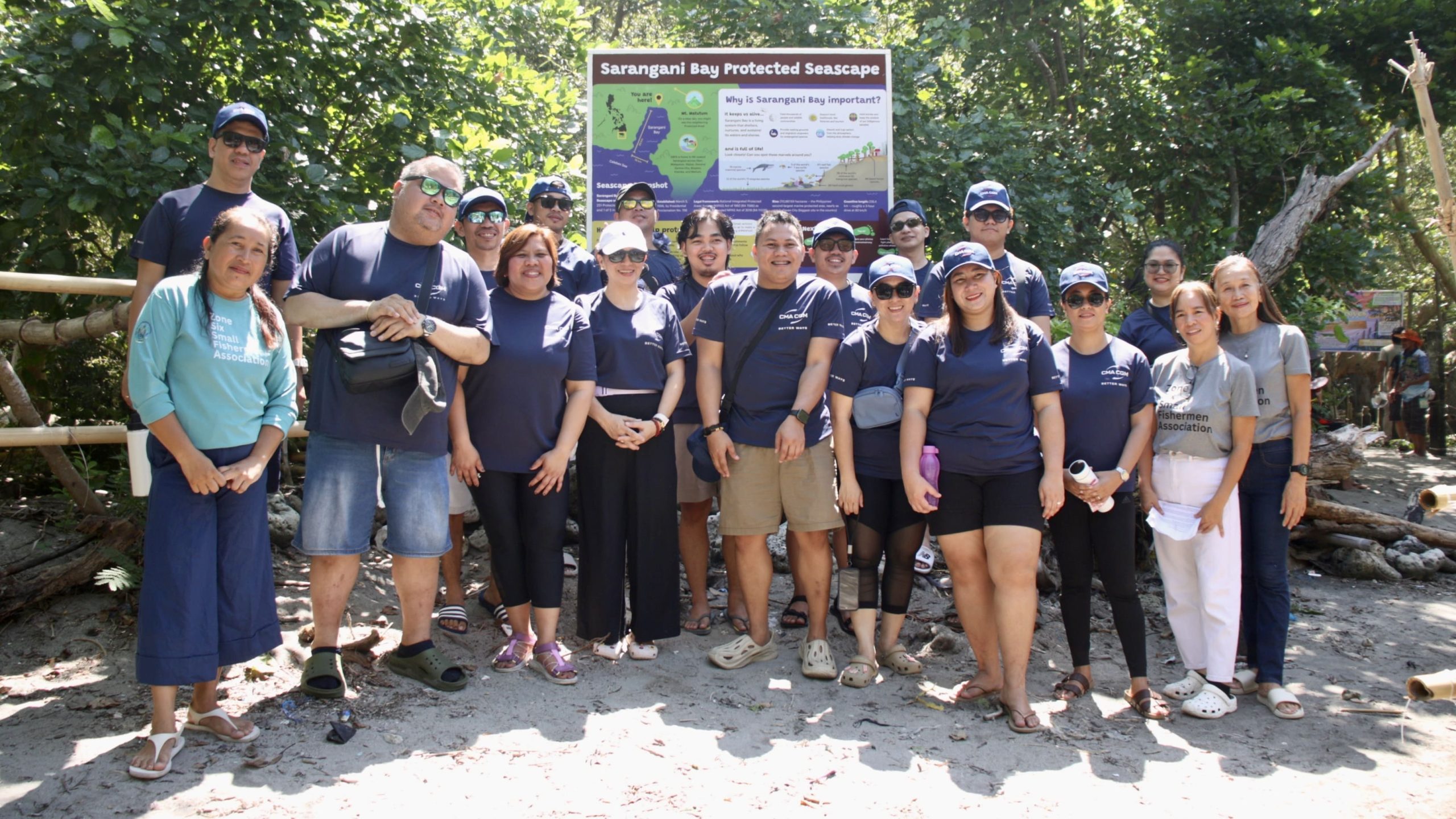
- Targeted Botanical Multipliers: The partnership drove the immediate deployment of 100 mangrove seedlings by a combined local workforce, targeting the propagation of 5,000 total seedlings across at least 10 distinct species by 2027 to rehabilitate a 308-hectare conservation zone.
- Verifiable Marine Recovery Assets: Environmental auditing covering the six-month period from 1 November 2025 to 1 May 2026 confirmed that live coral cover increased from 63% to 65% across protected sites, while crucial indicator Acropora coral cover expanded from 66% to 67%.
- Socio-Economic Distribution Scalability: The conservation framework successfully completed 24 structured outreach activities engaging 4,000 local stakeholders, while the underlying infrastructure directly increased alternative livelihood income for approximately 20 local fishing families.
Shifting global corporate sustainability away from surface-level carbon offsetting and toward measurable, multi-year ecosystem restoration, global transport and logistics giant CMA CGM Group, in tandem with Endangered Species International (ESI), has reached its first major milestone under its renewed ocean conservation framework.
The unveiling of public educational infrastructure along the mangrove conservation boardwalk in Sarangani Bay, Mindanao, represents a structural shift in how transnational shipping corporations manage environmental risks along vital maritime trade routes.
The initiative, which follows a long-term partnership renewal extended through 2027, addresses critical environmental degradation across three high-value marine zones: Balabac Island-Pulau Banggi, Negros Island, and Sarangani Bay.
For maritime logistics providers operating massive container fleets across Southeast Asian maritime corridors, preserving coastal ecosystems is increasingly vital for long-term supply chain resilience.
By integrating active community-led restoration with verifiable coral and mangrove cultivation, the alliance demonstrates how major corporate entities can systematically protect regional natural capital while providing alternative income streams for vulnerable coastal populations.
┌──────────────────────────────────────────────────────────────────┐
│                    STRATEGIC QUADRANT MATRIX                     │
├──────────────────────────────────────────────────────────────────┤
│                                 │                                │
│       HIGH IMPACT / LOW COMPX   │    HIGH IMPACT / HIGH COMPX    │
│       ───────────────────────   │    ────────────────────────    │
│       • Localised Signboard &   │    • Cross-Border Coral Reef   │
│         Educational Outpost     │      Regeneration Across the   │
│         Deployments             │      Balabac-Banggi Corridor   │
│                                 │                                │
├─────────────────────────────────┼────────────────────────────────┤
│                                 │                                │
│       LOW IMPACT / LOW COMPX    │    LOW IMPACT / HIGH COMPX     │
│       ──────────────────────    │    ───────────────────────     │
│       • Single-Day Internal Team│    • Scaling 10-Species Pure   │
│         Mangrove Planting       │      Wilderness Corridors      │
│         Exercises               │      Without Local Workforce   │
│                                 │                                │
└─────────────────────────────────┘────────────────────────────────┘
Dissecting the Core Architecture: Community Engagement Meets Live Coral Engineering
- 1. The Downstream Ecosystem Layer: The operational field execution in Sarangani Bay focuses heavily on the structural rehabilitation of a 308-hectare mangrove conservation site. By specifically targeting at least 10 key mangrove species, including the critically endangered Camptostemon philippinense, the project protects local biodiversity while providing natural coastal defenses to preserve the long-term utility of regional maritime infrastructure.
- 2. The Quantitative Regeneration Pipeline: Led by ESI President Pierre Fidenci, the technical partnership uses strict scientific tracking protocols to audit marine recovery. Instead of relying on vague promotional metrics, the program measures success through verifiable increases in live coral cover, targeted fragment transplantation, and structured community training workshops to ensure long-term ecosystem maintenance.
Editor’s Take: Driving Regional Supply Chain Insulation via Natural Capital
From the perspective of regional economic policy and Productivity Realism, CMA CGM’s multi-year deployment in the Philippines underscores an essential truth: the long-term operational survival of heavy logistics and industrial assets across the ASEAN region depends heavily on building proactive, verifiable environmental defense buffers. For too long, corporate logistics networks have treated ocean health as a secondary compliance issue, ignoring how deteriorating marine ecosystems directly increase severe weather risks, disrupt port operations, and create significant supply chain drag along primary maritime corridors.
True market leadership requires disciplined, end-to-end environmental engineering.
By tying global corporate social responsibility budgets directly to specific regional biodiversity targets, international transport leaders are demonstrating how to insulate essential coastal corridors while fostering strong local community relationships.
This corporate framework serves as an excellent operational blueprint for regional leaders as companies expand across maritime borders and align operations with evolving global environmental and governance mandates.