

Malaysia is rapidly approaching “aged nation” status, with citizens aged 65 and above projected to account for 14% of the population by 2030. This demographic shift brings a steep increase in chronic non-communicable diseases (NCDs) like diabetes, hypertension, and hypercholesterolemia.
For elderly Malaysians and their caregivers, managing health often comes down to polypharmacy balancing complex daily dosing schedules, monitoring potential drug interactions, and interpreting medical reports between infrequent doctor visits.
To address these challenges, Southeast Asia’s digital health landscape is expanding from transactional medical booking apps into AgeTech, AI-driven personal health management, and remote care tracking.
AskHEMI: Bridging the Inter-Consultation Gap
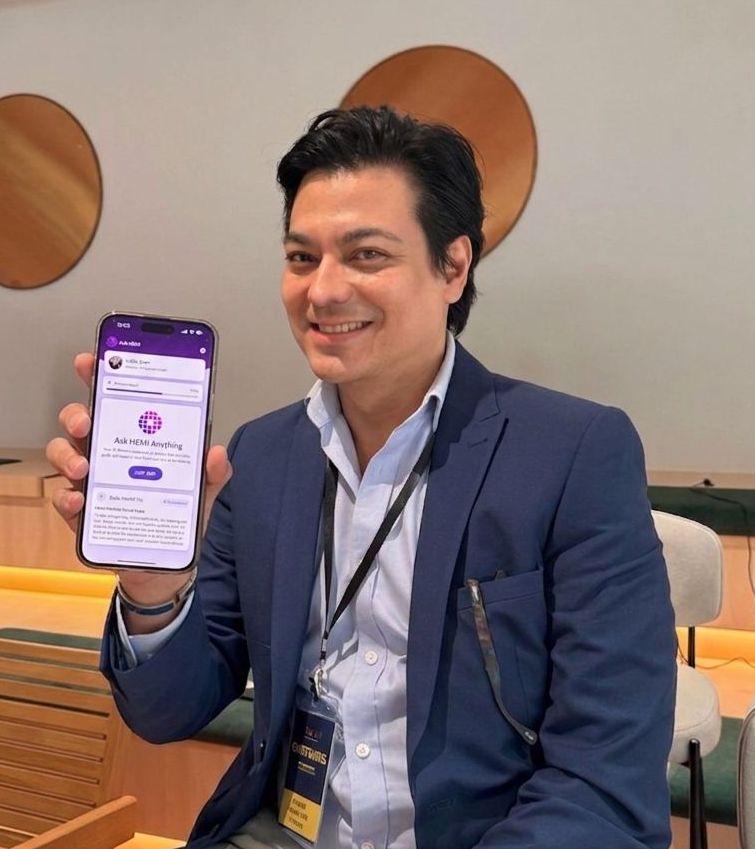
Developed by Kuala Lumpur-headquartered MedPlanner, AskHEMI functions as a daily AI health companion rather than a transactional medical booking portal. Built on a proprietary Health Medical Intelligence (HEMI) clinical engine, the app provides context-aware guidance by combining personalized health profiles with generative AI and optical recognition tools.
Key Functional Focus
- Context-Aware Safety: Rather than returning generic web results, the app checks queries against a user’s uploaded medical records, active prescriptions, and allergies helping caregivers identify potential drug interactions before administering over-the-counter medicine.
- Adherence & Document Digitization: Users can scan prescriptions and lab reports via their smartphone camera, automatically setting up medication schedule reminders and generating adherence charts for family members or caregivers.
- Multilingual Access: Designed specifically for regional clinical contexts, it supports multiple local languages to ensure ease of use across diverse age groups and communities.
Key Players in Malaysia’s Digital Health Ecosystem
While AskHEMI focuses on AI-guided daily continuity and medication tracking, several established local platforms address other vital nodes of the eldercare and chronic disease journey:
| Platform | Core Focus Area | Primary Benefit for Senior Care |
| DOC2US | E-Prescriptions & Pharmacy Integration | Connects patients with verified doctors for digital prescriptions and doorstep medication delivery through a network of partner pharmacies. |
| DoctorOnCall | Teleconsultations & E-Pharmacy | Offers virtual specialist/GP appointments, home health screenings, and online pharmacy fulfillment without requiring travel to clinics. |
| Naluri | Chronic Disease Management & Coaching | Combines digital tracking tools with human care teams (dietitians, psychologists, fitness coaches) to prevent and manage chronic NCDs. |
| BookDoc | Healthcare Access & Wellness Tracking | Facilitates doctor appointments, health screening bookings, and activity tracking to encourage active aging. |
Strategic Implications: What This Means for Malaysia & ASEAN
                   [ SOUTHEAST ASIAN DEMOGRAPHIC SHIFT ]
                (128M+ citizens aged 65+ across ASEAN by 2050)
                                    │
         ┌──────────────────────────┼──────────────────────────┐
         ▼                          ▼                          ▼
[ Public Healthcare Relief ] [ Economic & Care Shift ]  [ Regional Interoperability ]
• Decouples routine Q&A     • Eases "sandwich gen"     • Cross-border family tracking
• Alleviates Klinik        caregiver strain           • Hyper-localized multilingual
  Kesihatan congestion      • Aligns with 13MP & NAB     clinical AI models
1. Structural Impact on Malaysia
- Relieving Primary Healthcare Pressure: Public facilities, such as Klinik Kesihatan (KK) and government general hospitals, handle over 80% of senior patient care. Decoupling routine medication tracking and basic medical Q&A from physical clinic visits reduces bed occupancy and queue congestion for non-emergency consultations.
- Mitigating “Caregiver Strain” in the Sandwich Generation: As family sizes shrink, working-class Malaysians increasingly care for both aging parents and young children. Mobile adherence tracking and visual prescription readers provide remote visibility, lowering absenteeism and productivity loss in the workforce.
- Aligning with National Policy: The Malaysian government’s National Ageing Blueprint (NAB) and initiatives under the 13th Malaysia Plan (13MP) place heavy emphasis on the “Silver Economy,” lifelong health, and long-term care infrastructure. Platforms that offer local context and multi-language support establish essential technological infrastructure for domestic eldercare.
2. Broader Regional Trends Across ASEAN
ASEAN is experiencing one of the fastest demographic aging shifts globally, with over 128 million citizens projected to be aged 65 or older by 2050:
- Addressing Decentralized & Rural Healthcare Systems: Across member states like Indonesia, the Philippines, and Thailand, rural populations face severe geographic barriers to tertiary hospital care. Context-aware AI tools allow remote communities to manage chronic conditions at home, bridging the specialist-to-patient deficit.
- Developing Hyper-Localized Clinical Models: Western health platforms often struggle with the linguistic and cultural nuances of Southeast Asia. ASEAN’s digital health transition relies heavily on region-first clinical engines trained to operate across diverse languages, local drug naming conventions, and regional health frameworks.
- Harmonizing Cross-Border Care Standards: With significant labor mobility across ASEAN, family members frequently manage elder care across borders (e.g., a professional in Singapore monitoring a parent in Malaysia or Indonesia). Shared digital logs, remote reminders, and standardized e-prescriptions are becoming essential infrastructure for regional family care networks.
Editor’s Take
The rise of AI health companions like AskHEMI highlights a fundamental shift in Southeast Asian healthcare: moving from reactive intervention (treating acute illnesses at clinics) to proactive management (preventing complications at home). For both Malaysia and the broader ASEAN region, integrating consumer-friendly AgeTech tools into national health strategies is no longer just a technological upgrade, it is a vital economic imperative to ensure sustainable healthcare systems in an aging society.