

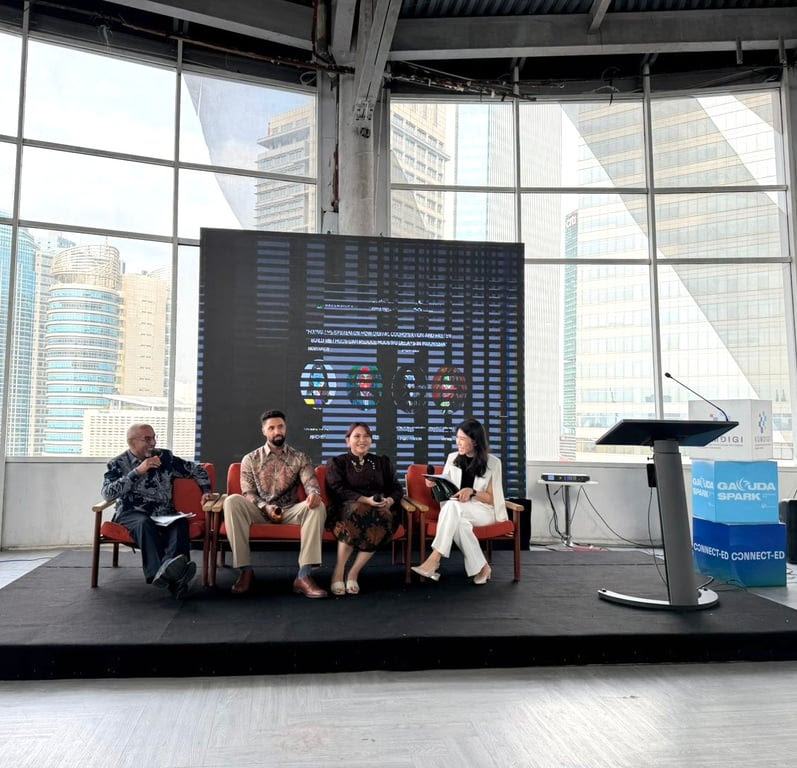
Shifting the regional real estate paradigm from slow, fragmented building cycles to high-velocity digital manufacturing, Jakarta-based property technology leader SECHA and construction technology innovator Fjäll Group have unveiled GreenShift.
Launched at the Garuda Spark Innovation Hub with active backing from the Indonesian Ministry of Communication and Digital (KOMDIGI), the integrated infrastructure platform has successfully compressed standard housing delivery timelines from a bloated 540 days down to just 45 days.
The arrival of GreenShift introduces an immediate structural shift across the wider Southeast Asian real estate market.
By framing the regional housing deficit not merely as a simple supply shortfall but as a solvable system coordination challenge, the alliance offers a highly scalable, digital-first infrastructure model.
This framework is purposefully designed to capture institutional cross-border capital, making it a critical development for Malaysian investment funds, developers, and asset managers tracking regional opportunities.
The Dual-Engine Mechanic: Marrying EPS Modular Power with Digital Handoffs
For decades, residential real estate deployment throughout ASEAN has been weighed down by deep logistical friction. Developers have long accepted a heavy operational penalty: uncoordinated banking approvals, manual building methods, and fragmented subcontractor handoffs that drag out timelines and bleed capital before a single unit can be delivered. This extended development window forces developers to absorb heavy financing costs, reducing project returns and stalling institutional capital within the process.
 [ LEGACY BRICK & MORTAR ]   ──► Manual Wet Builds & Broken Vendor Handoffs ──► 540-Day Cycle & Trapped Capital
                                                                                               │
                                                                                               ▼
                                                                                   Heavy Operational Drag

 [ GREENSHIFT ECOSYSTEM ]    ──► Industrialised EPS + SECHA Digital Transparency ──► 45-Day Assembly & Fixed Turnaround
                                                                                               │
                                                                                               ▼
                                                                                   Sovereign Portfolio Velocity
GreenShift eliminates this operational drag by deploying a synchronized, two-engine approach:
1. The Physical ConTech Engine (Fjäll Group)
Led by CEO Christian Daley, Fjäll Group bypasses conventional, slow-moving construction methods by utilizing an advanced Expanded Polystyrene (EPS) modular building system. Manufactured off-site under strict factory conditions, these high-durability, thermally insulated structural panels are shipped directly to locations for rapid assembly. This industrial approach removes weather dependencies and traditional on-site setting periods, cutting the structural build time in half.
2. The Digital PropTech Engine (SECHA)
Recognizing that rapid physical construction can still be bottlenecked by slow administration, SECHA Founder & CEO Josephine Lovensa deployed a comprehensive digital tracking architecture to manage the project lifecycle. The platform automates data flows across every critical stage aligning land documentation, material procurement, regulatory approvals, and end-user financing into a transparent, real-time workflow. By eliminating administrative delays during handoffs, the digital framework ensures that physical speed translates directly into faster project completion.
Financial Engineering: Unlocking Velocity for Cross-Border Capital
From a macroeconomic perspective, the significance of the GreenShift platform lies in its ability to de-risk real estate development for institutional investors. As noted during the Jakarta panel session by Dr. Kunalan Sivapuniam, Partner at Tarian Partners, traditional long-horizon construction timelines introduce severe execution risks for international capital. When a project takes nearly two years to deliver, institutional funds face prolonged exposure to currency fluctuations, regulatory shifts, and changing inflation rates.
                         [ INSTITUTIONAL CROSS-BORDER CAPITAL ]
                                           ▼
                     [ COMPRESSED 45-DAY TURNAROUND WINDOW ]
                                           ▲
       [ INDUSTRIAL MANUFACTURING HUB ] ◄──┴──► [ ARKOPAY DIGITAL SETTLEMENT ]
                                           │
                                           ▼
                    [ INSULATED HIGH-VELOCITY OPERATING YIELDS ]
By compressing the delivery loop down to 45 days, GreenShift drastically reduces this exposure window. Under the moderation of Laura Lukito, Founder & CEO of ArkoPay, the launch demonstration highlighted how merging transparent digital tracking with modular assembly creates an asset class with highly predictable timelines and cash flows.
This predictable framework allows institutional funds to turn over their capital multiple times within a traditional building lifecycle, significantly enhancing annualized portfolio yields while maintaining strict adherence to regional Environmental, Social, and Governance (ESG) targets.
Editor’s Take: Ecosystem Integration and the End of Construction Compromise
For the Malaysian Business reader, the launch of GreenShift delivers a fundamental lesson in Productivity Realism: in a fast-moving regional market, corporate leadership belongs entirely to the platforms that integrate digital data with physical assembly to eliminate operational drag. For generations, our domestic property sector has tolerated long development delays viewing lengthy construction timelines and fragmented handoffs as an unavoidable cost of doing business. This passive acceptance slows down asset turnover and traps corporate capital across the real estate supply chain.
True market leadership requires building synchronized, end-to-end ecosystems.
By unifying modular manufacturing and transparent digital coordination under a single platform, SECHA and Fjäll Group have proved that the housing delivery challenge is entirely solvable through disciplined system design.
This integrated model offers a clear operational blueprint for Malaysian builders as we scale infrastructure under the 13th Malaysia Plan (2026–2030) and advance manufacturing targets under the New Industrial Master Plan (NIMP 2030). To maintain high-margin returns in an inflationary environment, our corporate captains must look past fragmented construction practices.
Whether tracking Gentari’s 150MWp LSS5 solar development driving clean utility base loads to power modern industrial hubs, evaluating Berjaya Air’s vertical integration using the world’s first all-business ATR HighLine fleet to optimize luxury travel connectivity, or monitoring Alpro Group’s subscription networks streamline care delivery, the ultimate goal remains identical: eliminate operational friction.
By adopting automated modular workflows, establishing clear digital handoffs, and eliminating long coordination delays, forward-thinking enterprises can successfully shield their operating margins, accelerate capital velocity, and secure an enduring competitive advantage across the ASEAN economic corridor.