

Strategic Takeaways
- The Sovereign Resiliency Standard: The READY Port (Resilience, Emergency Action, and Disaster-ready) program is a global capability framework designed to ensure that ports can maintain high operational speed and handle urgent aid cargoes efficiently during environmental crises.
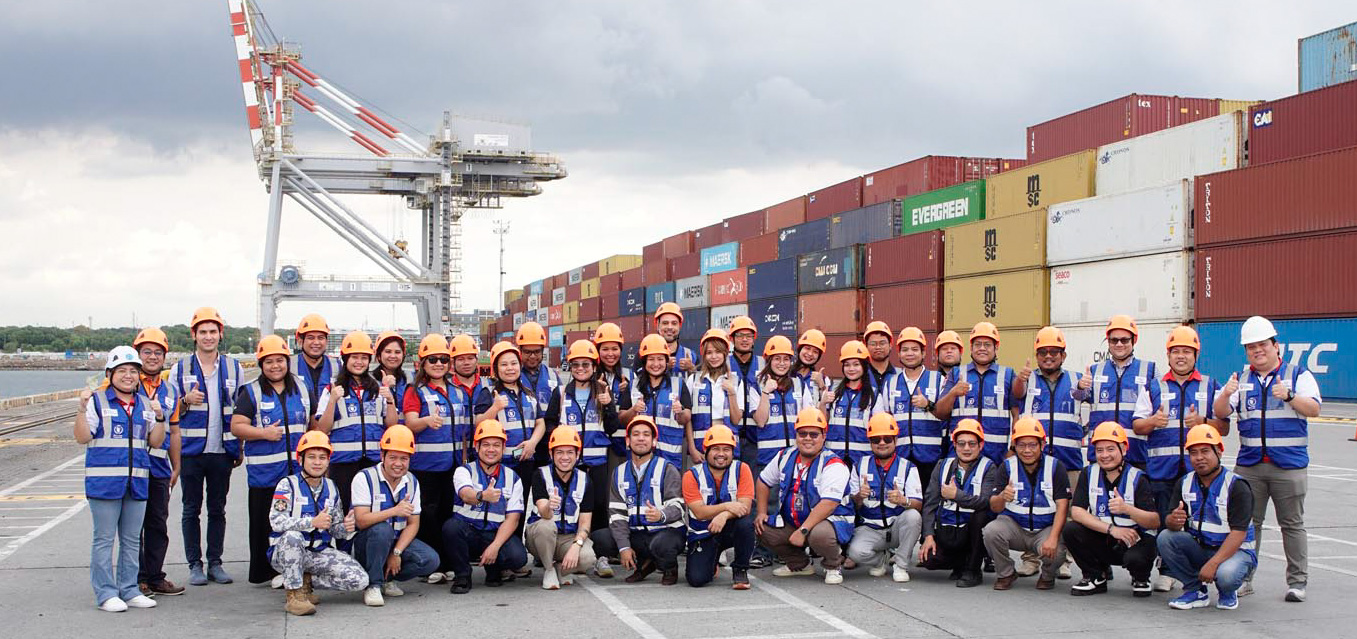
- The Multi-Stakeholder Action Plan: Following a three-day scenario simulation at the Batangas Port Click to open side panel for more information , private operators, local government teams, and global aid groups have built a clear Port Readiness Action Plan to protect vital supply routes.
- The Local Operating Footprint: The asset is managed locally by DP World’s domestic partner, Asian Terminals Inc. (ATI), serving as a critical entry point for international and domestic roll-on/roll-off (RoRo) transport, commercial shipping, and passenger lines connecting directly to the Visayas and Mindanao.
Shifting global port management away from pure commercial volume tracking and toward active crisis readiness, global trade enabler DP World has launched a new operational model at the Batangas Port Click to open side panel for more information .
The facility has been named the world’s first READY Port, introducing a new standard for disaster preparedness and humanitarian logistics across climate-vulnerable trade lines.
The strategy was developed alongside the UN Logistics Cluster and the World Food Programme (WFP) Philippines, building a blueprint to secure vital supply lanes during natural disasters.
The structural transition highlights a core rule of Productivity Realism within modern maritime architecture: long-term infrastructure value is no longer won by optimizing fair-weather supply chains alone, but by guaranteeing that hubs can continue operating under crisis conditions. Because it is regularly exposed to typhoons and changing sea risks, the Philippines was chosen as the global pilot for the framework.
By upgrading its operations to meet READY criteria, the facility moves past basic emergency drills.
Instead, it acts as a permanent, reliable safety asset, ensuring that when major disruptions hit, essential food, medical, and energy cargo can be distributed quickly to communities across nearby islands.
Dissecting the Resilience Blueprint: Connecting Public Mandates with Private Grids
The industrial framework reorganizes how critical maritime gateways transition from commercial trade hubs into emergency lifelines, as outlined by regional leaders:
- 1. Shift to Coordinated Society-Wide Logistics: As Manuel Cabochan III, Department of Transportation Assistant Secretary for Special Concerns, notes: “Disaster preparedness requires a whole-of-government and whole-of-society approach where national agencies, port operators, logistics providers, and development partners work together.” This setup eliminates tracking gaps by connecting the Philippine Ports Authority Click to open side panel for more information and municipal emergency groups into a single, unified communications network.
- 2. Fast-Tracking Humanitarian Cargo Priority: Directed by Joao Dos Santos Merencio, World Food Programme Head of Supply Chain in the Philippines, the updated operating framework changes how ports handle emergency cargo. By mapping out logistics protocols before a crisis hits, the port ensures it can continue moving standard commercial trade while giving immediate priority lanes to critical humanitarian relief goods when local conditions are toughest.
Editor’s Take: Safeguarding Maritime Assets via Productivity Realism
From the clear analytical view of industrial economics and Productivity Realism, the strategic milestone achieved at the Batangas Port Click to open side panel for more information emphasizes an essential rule for modern logistics networks: enduring market access and corporate growth belong entirely to operators that treat crisis readiness as a core part of their daily business operations. For too long, infrastructure conglomerates have treated disaster planning as a minor compliance chore or a simple insurance expense, overlooking how sudden climate shocks, uncoordinated emergency management, and gridlocked shipping lanes can stall industrial supply lines, strand valuable assets, and cut off vulnerable populations from global support.
True maritime leadership requires treating regional trade lanes as active lifelines for human development.
By building shared action plans with global food networks and using advanced technical workshops to streamline emergency steps, forward-thinking operators demonstrate how to protect critical shipping networks without losing operational momentum.
This smart focus on structural execution serves as an excellent guide for regional business leaders as they upgrade logistics infrastructure to survive expanding climate risks.